Quick Details
Exclusive - Up to 6
1 night, 2 days
$ 4850.00
Exclusive - Up to 12
1 night, 2 days
$ 10500.00
Kayak and Fish in the heart of Kenai Fjords National Park!
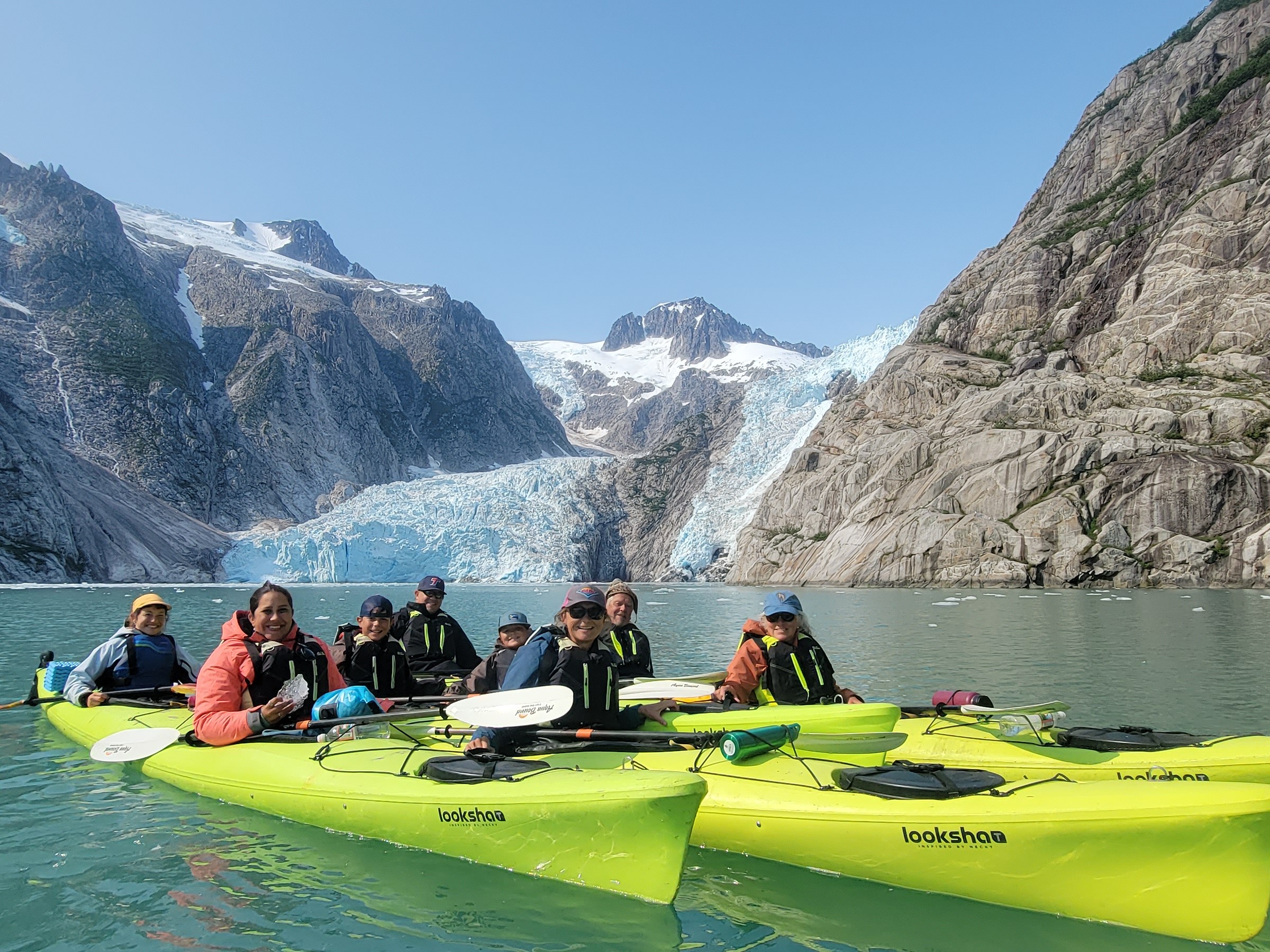
Our Best of Alaska Overnight Expedition is the Ultimate trip for families and group trips. You will kayak among tidewater glaciers, and waterfalls and see some of the most stunning sites we have. After a full day of exploring Kenai Fjords National Park, we take you to the stunning Fox Island where you camp on a spit, cook the fish you caught that day and then enjoy a good night’s rest before kayaking through the Eldorado Narrows into the mystical Humpy Cove.
Where We Paddle
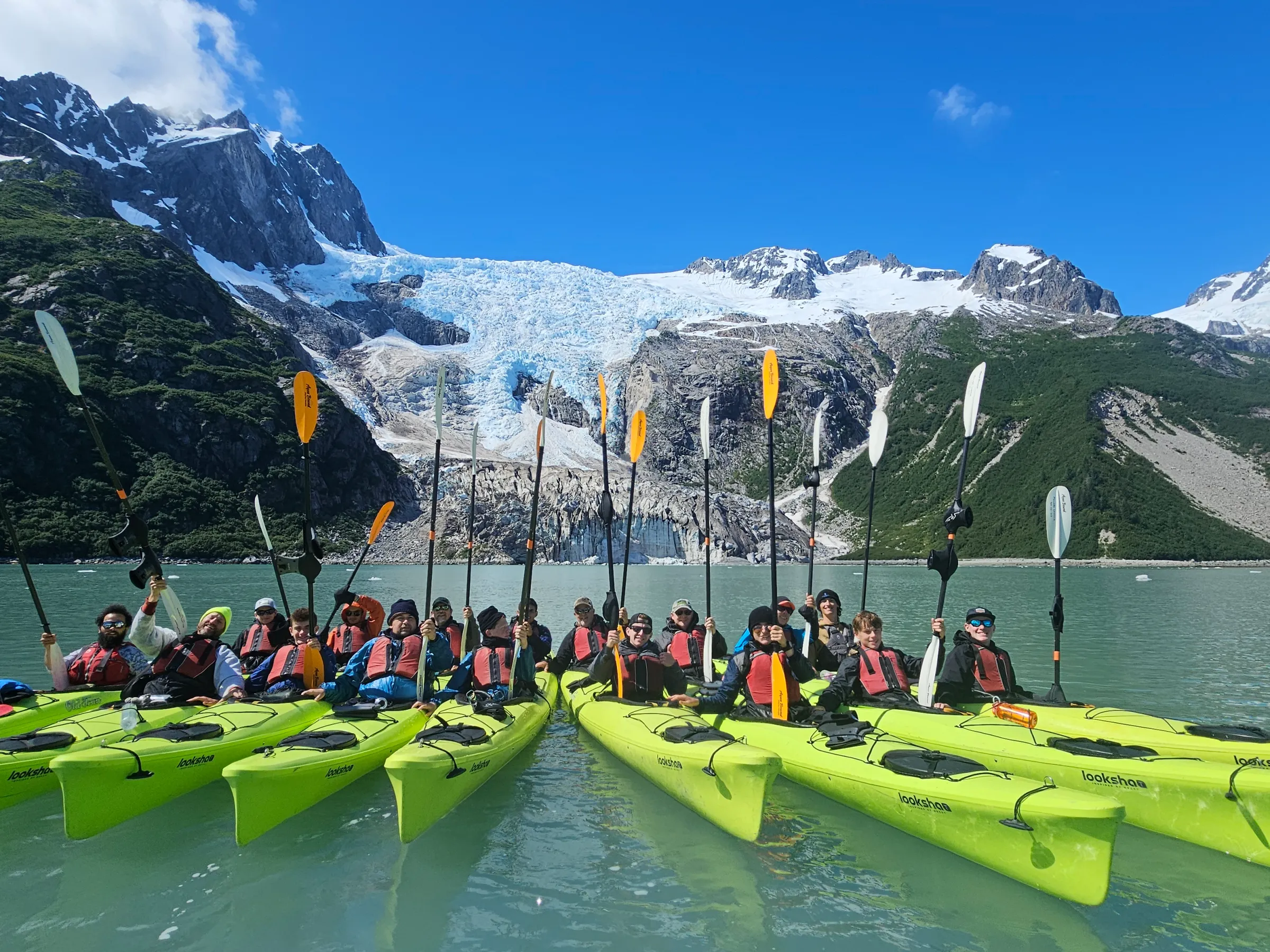
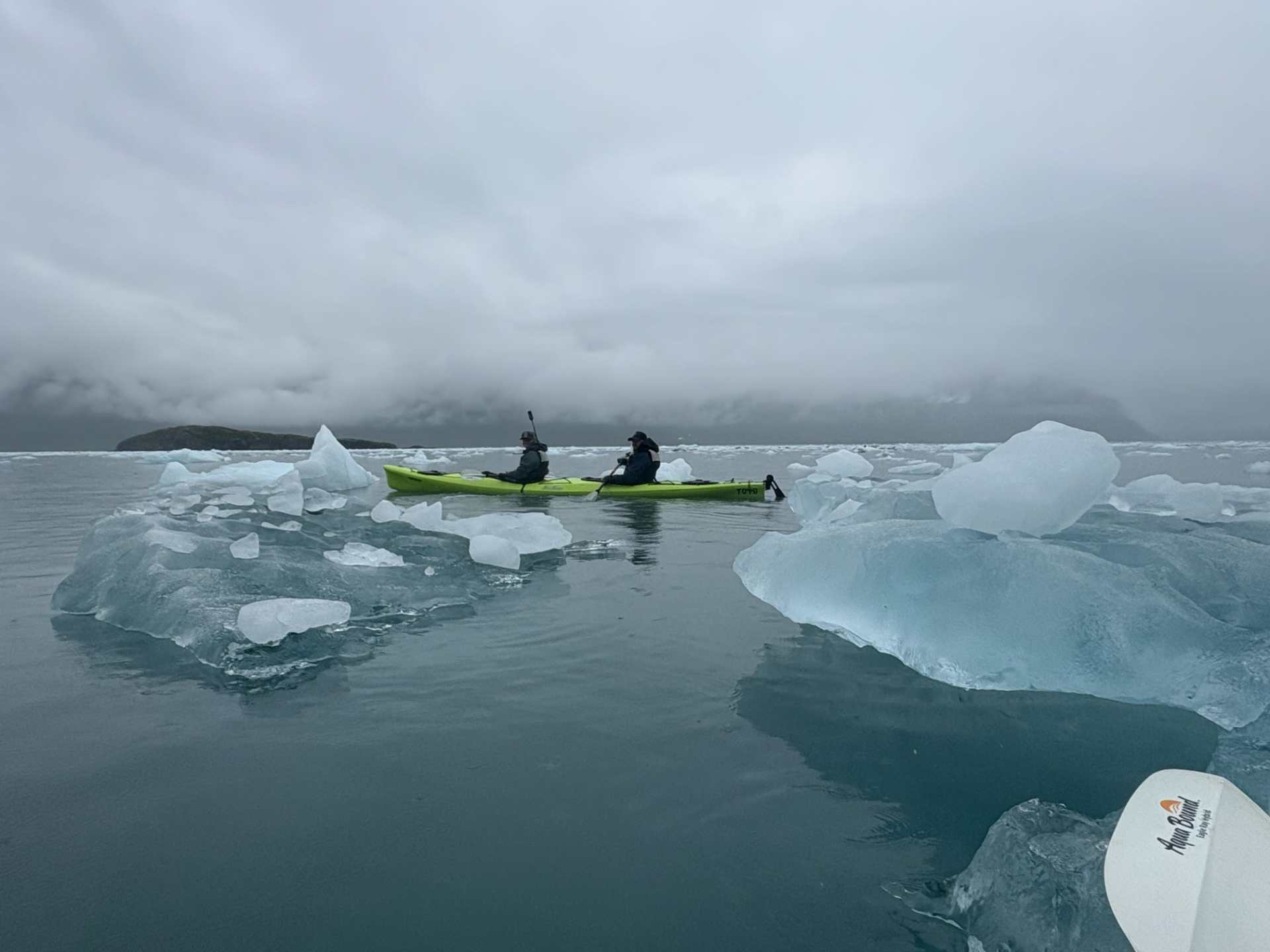
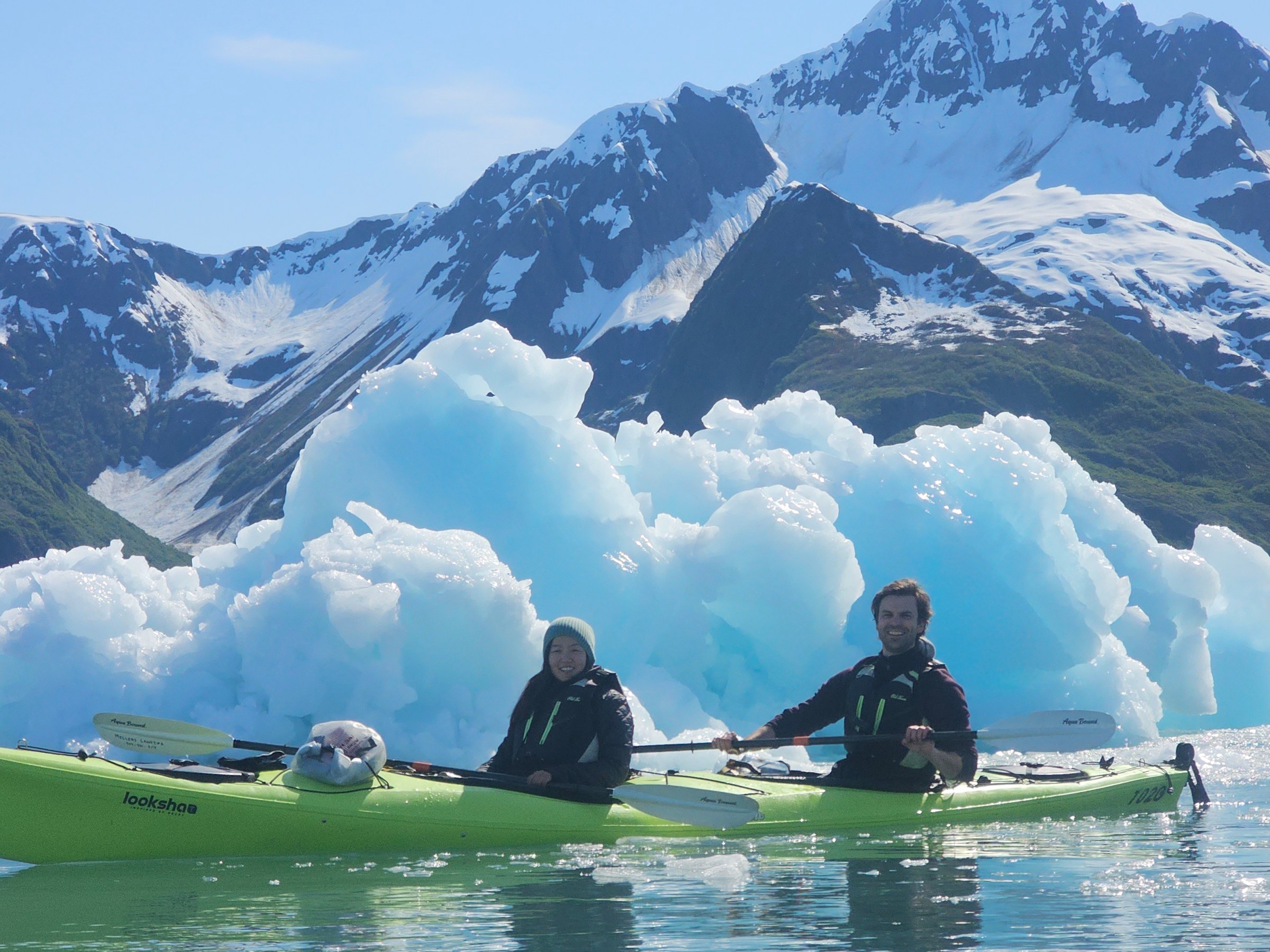
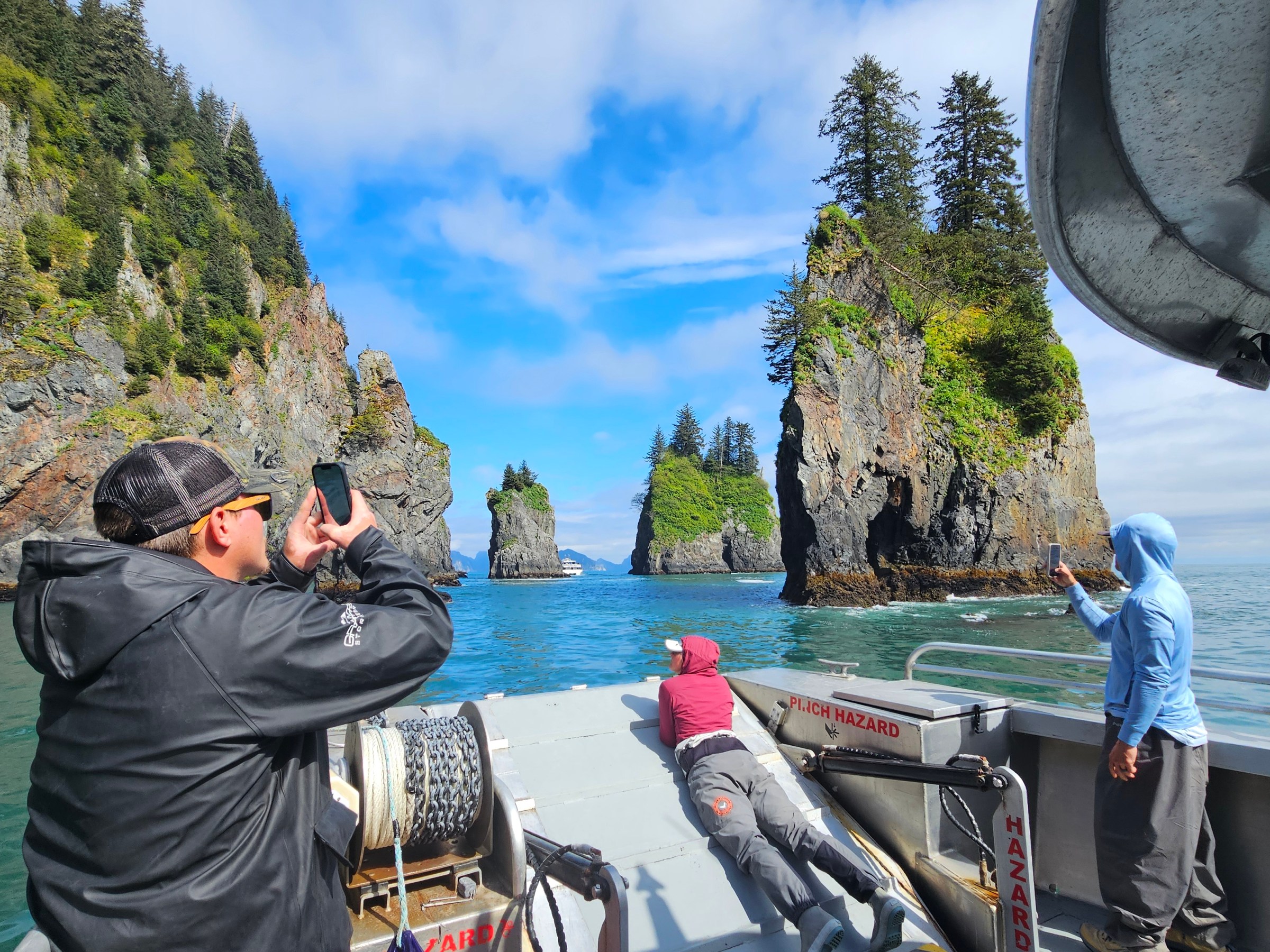
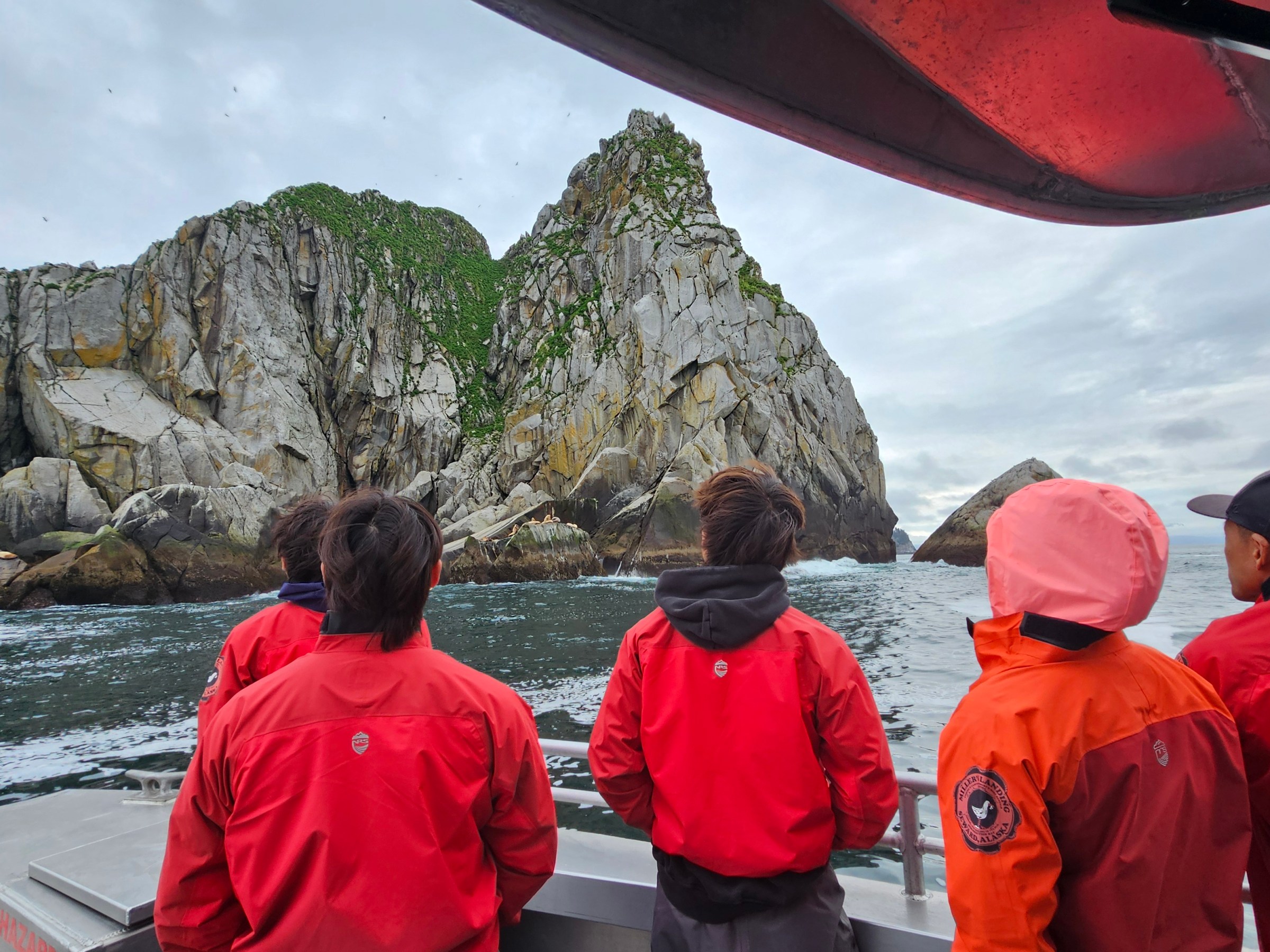
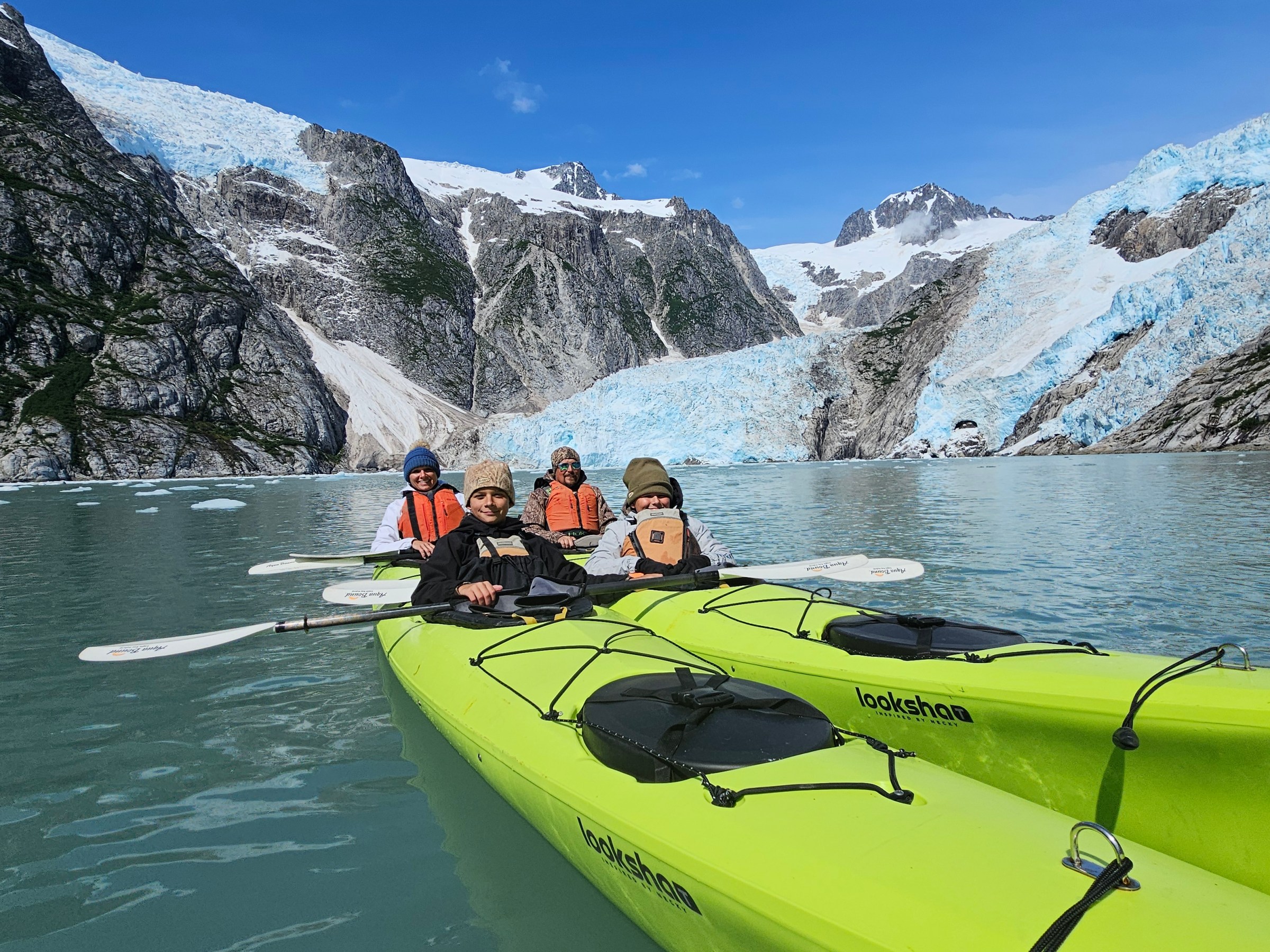
On the first day, we kayak in Kenai Fjords National Park near the tidewater glacier(s) of your captain’s choice. We always choose paddling locations based on weather, scenery and even wildlife sightings. Here you will kayak among ice, harbor seals and will experience Kenai Fjords’ geologic antiquity to the fullest.
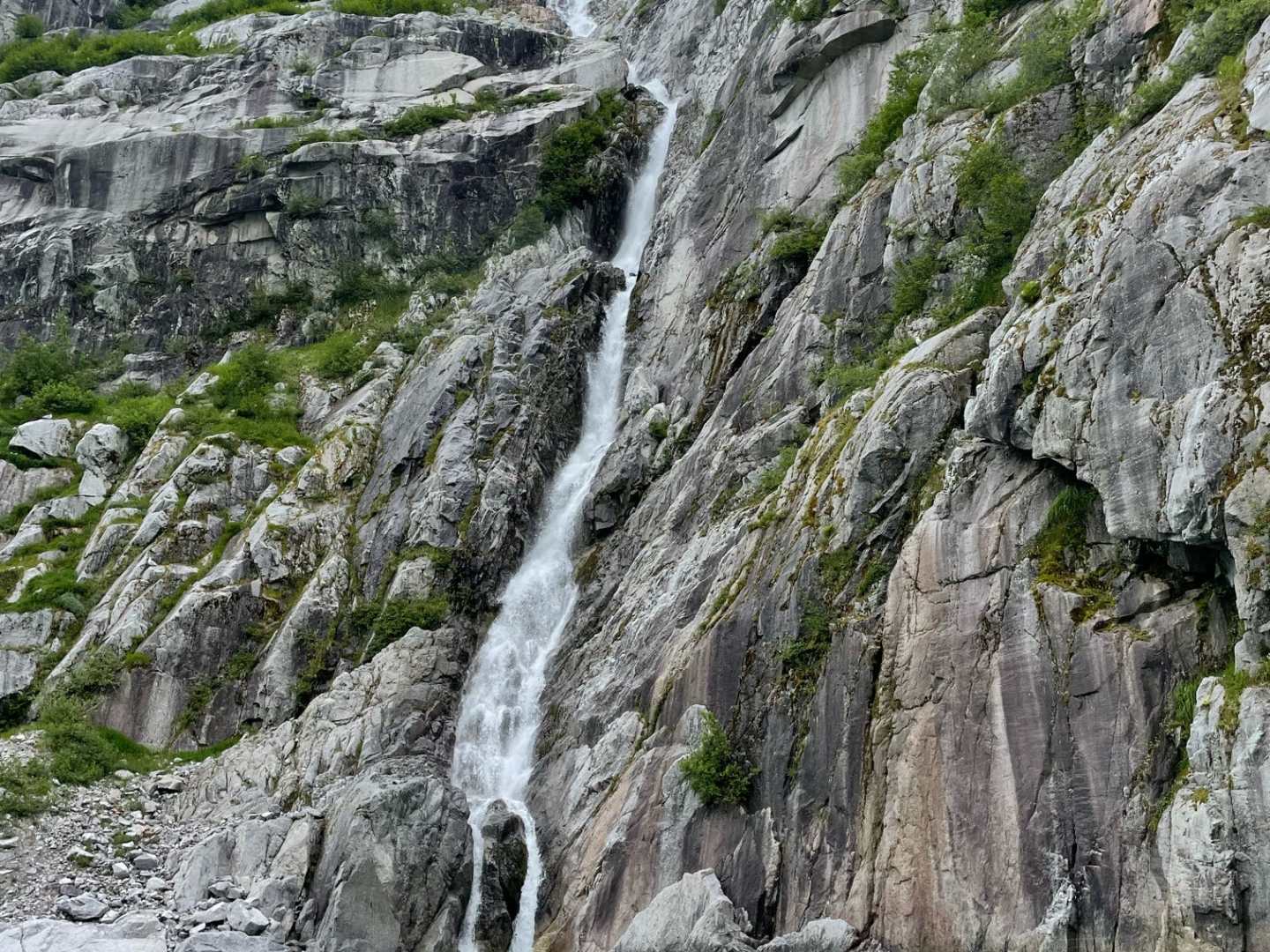
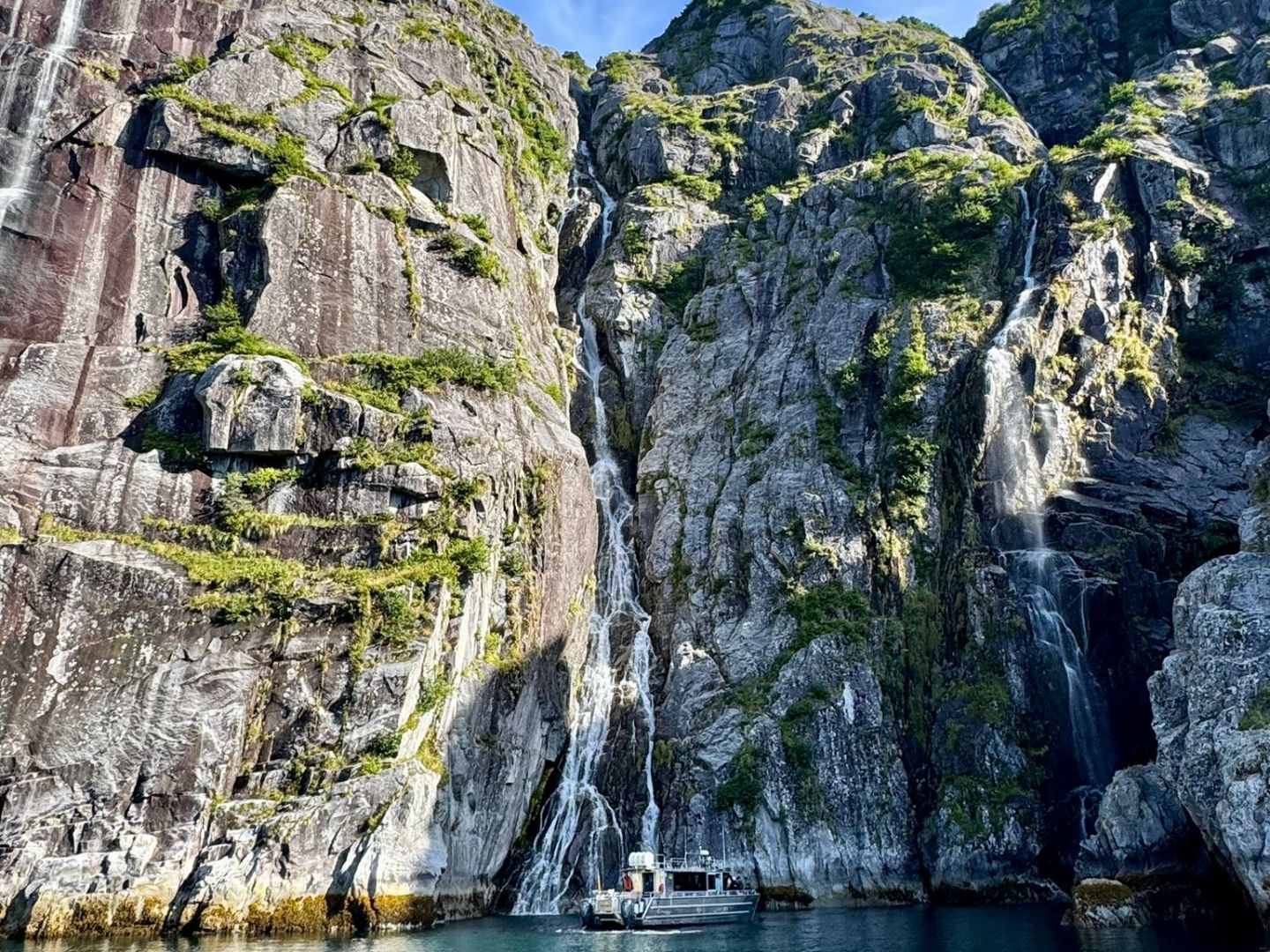
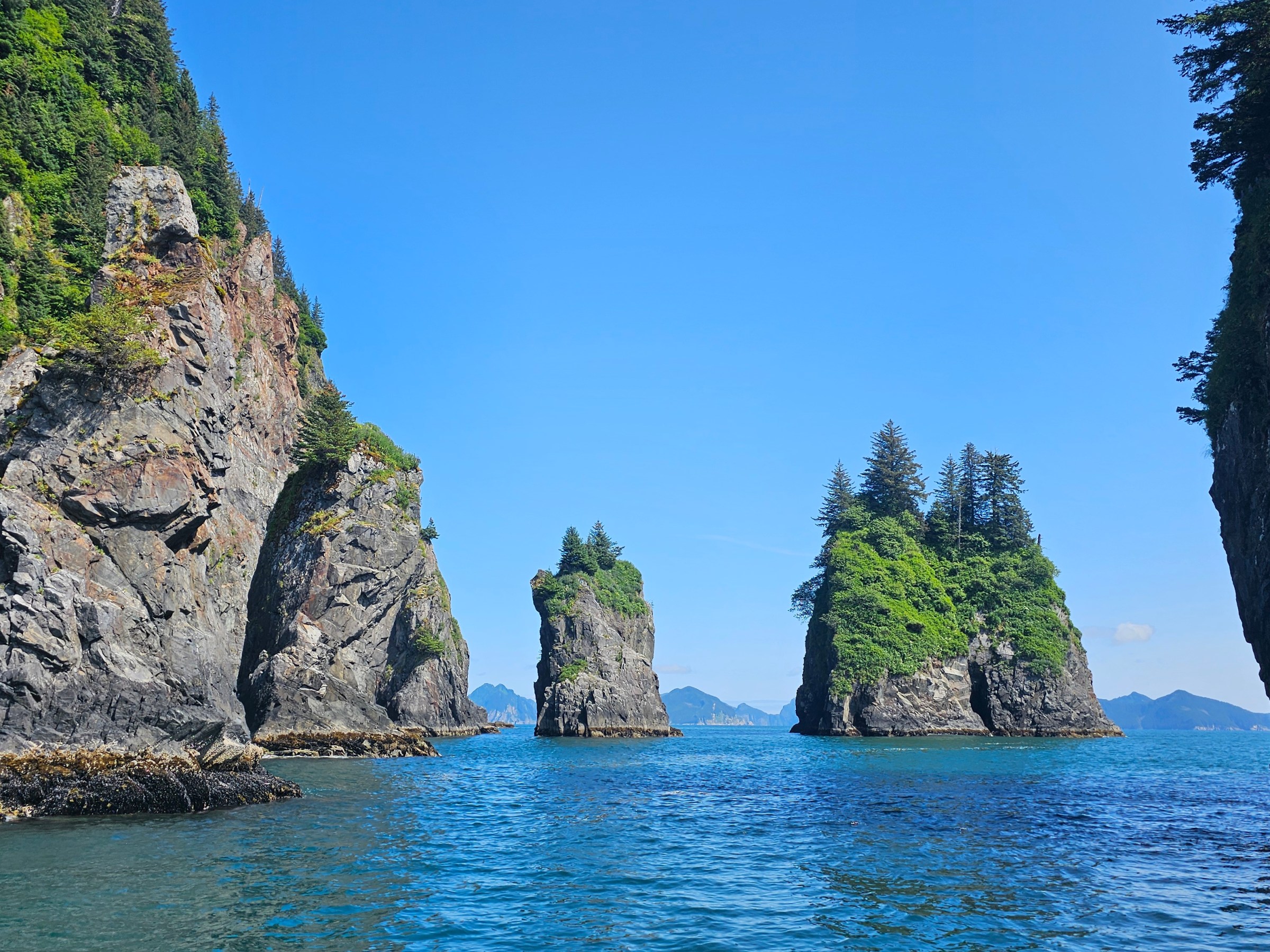
On the second day, we kayak from Fox Island spit into Humpy Cove, and if the group would like to go farther we can go beyond to Thumb Cove. There you can explore waterfalls, caves, vast marine life such as sea stars and anemones, as well as unique geologic formations such as basalt and dikes.
Deep Sea Fishing in Kenai Fjords
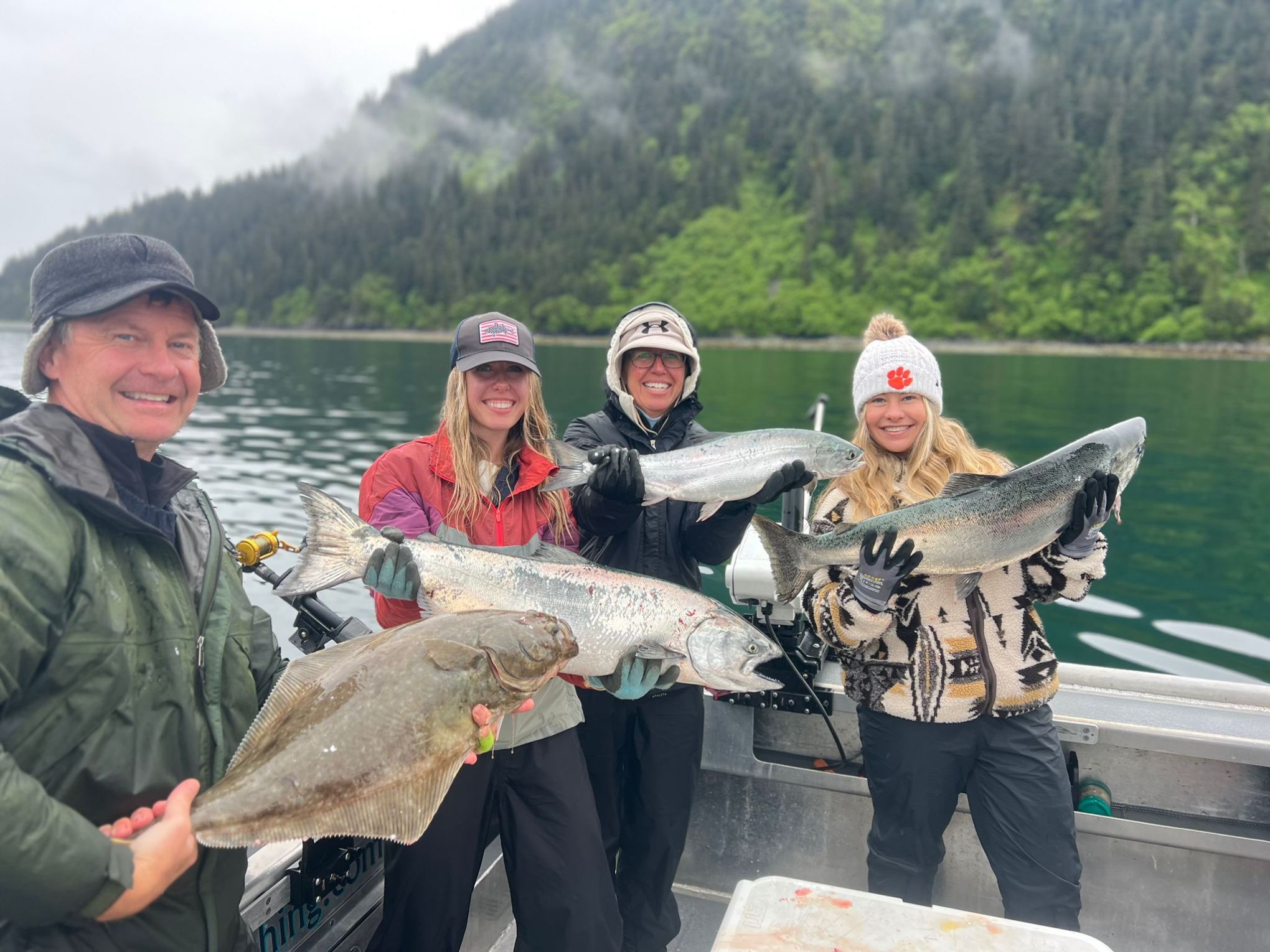
On this trip you will spend about two hours fishing, this is totally customizable for your group as well. During this time we either float or set up an anchor and will target all species of fish depending on the time of the season and fishing regulations. On our Best of Alaska trips we catch rockfish, yellow-eye, ling cod after July 1st, Halibut except on Wednesdays and other specified closure days, salmon and pacific cod. You can read more on the species we catch and regulations below.
Essential Details
WHAT TO BRING
It best to dress warm and in layers and to be ready for different weather conditions and avoid cotton. We send you detailed packing list after you book your trip, but most of what you need include:
- Warm synthetic/wool layers
- Rain gear
- Medical Necessities
- Water bottle
- Water resistant or proof shoes
- We provide all the necessary camping gear
Dry suit rentals are available; each suit comes with 2mm neoprene booties and are $400 flat with a $100 repair fee if damaged in addition to the cost of the repair. Dry suits are typically not needed and have never been the standard but are available. Find detail on repair costs on our rental page.
WHAT WE PROVIDE
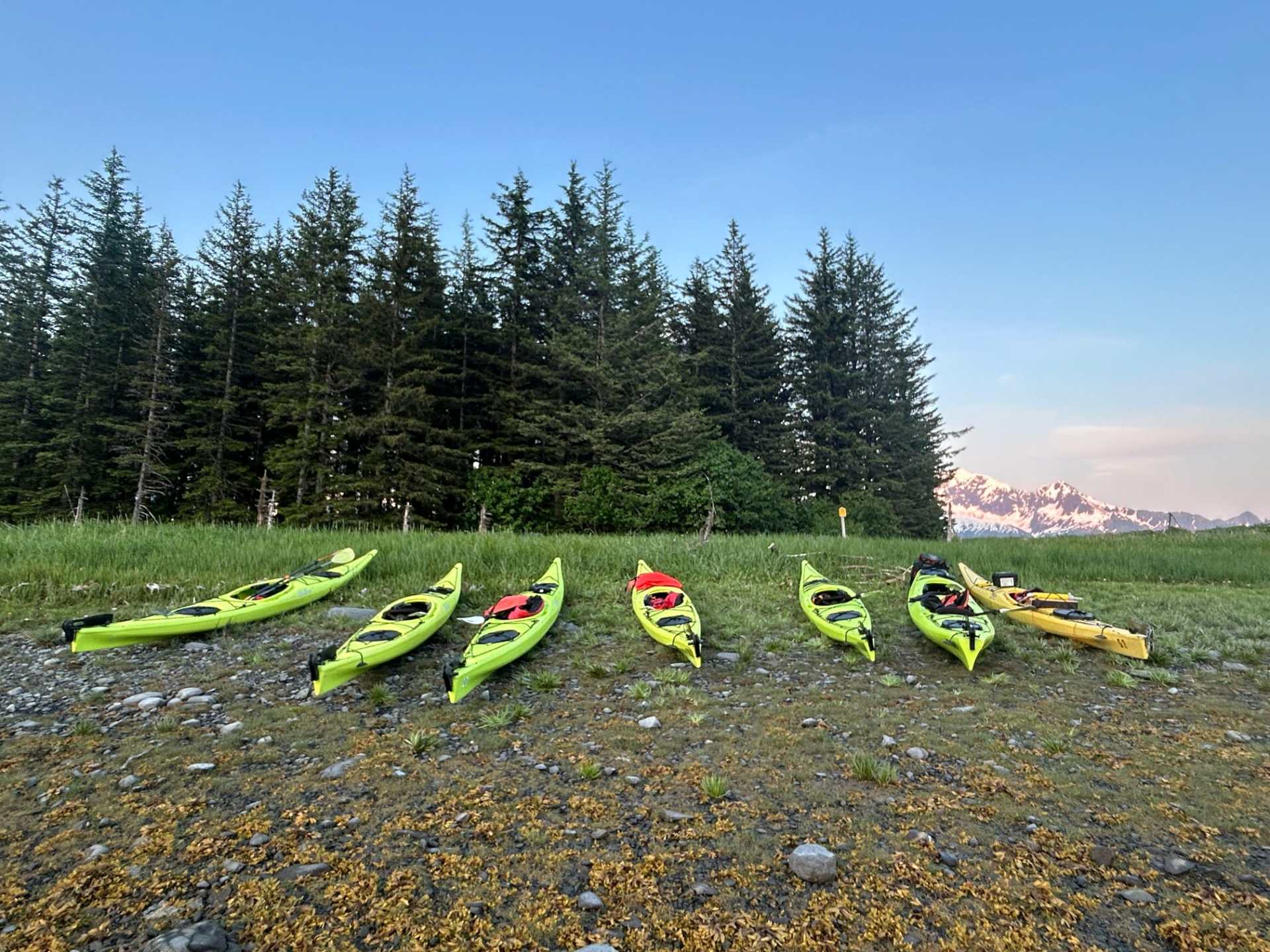
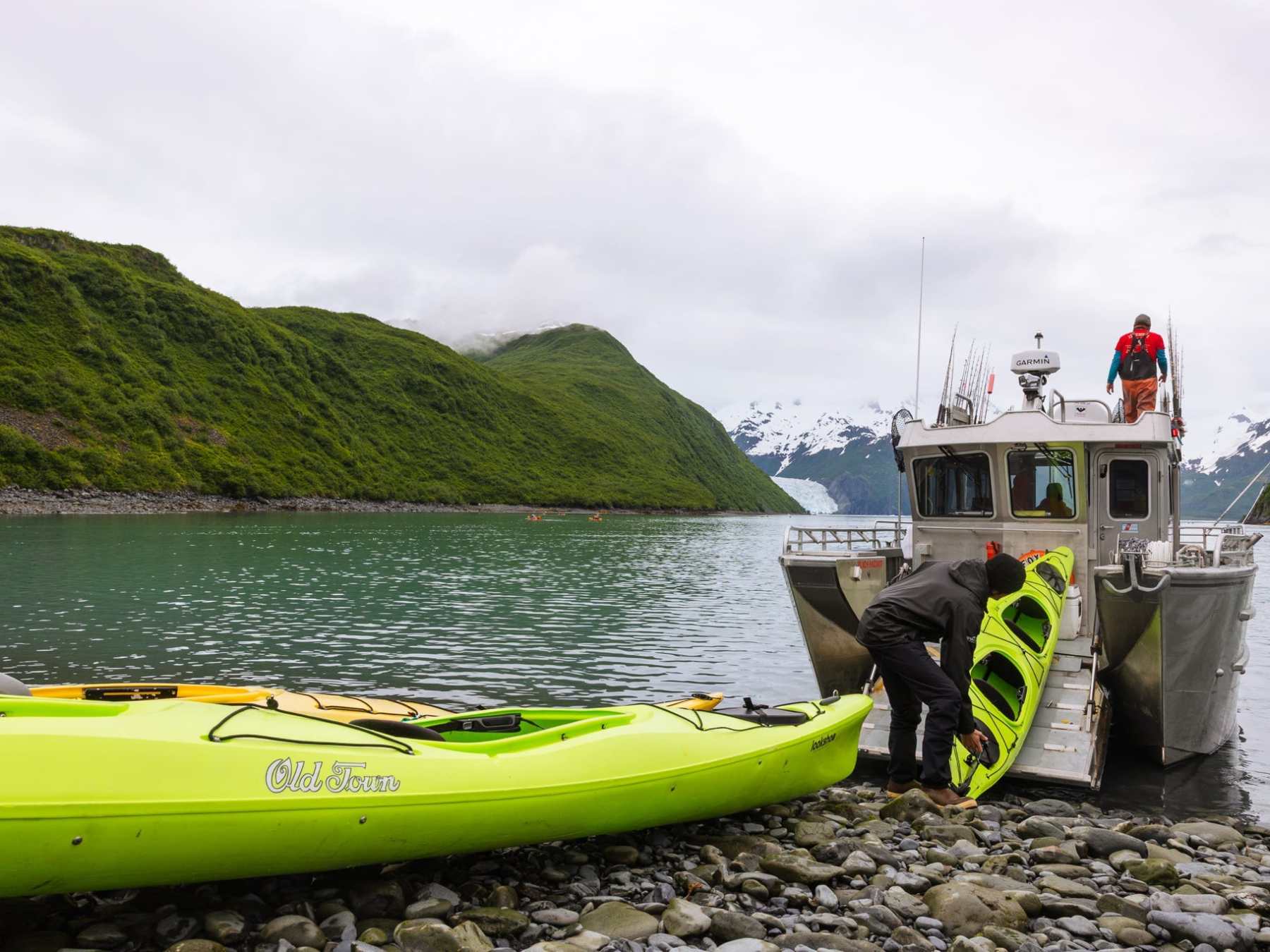
Our sit-inside tandem kayaks are stable and well maintained. They come with a rudder for steering, spray skirts, life vests and paddles. Your guide is also fitted with necessary safety and first aid equipment.
Let your guide know before the trip if you need:
- Extra rain gear
- Pogies to protect your hands (paddling mittens)
- Neoprene Booties
- A dry bag
- A butt pad
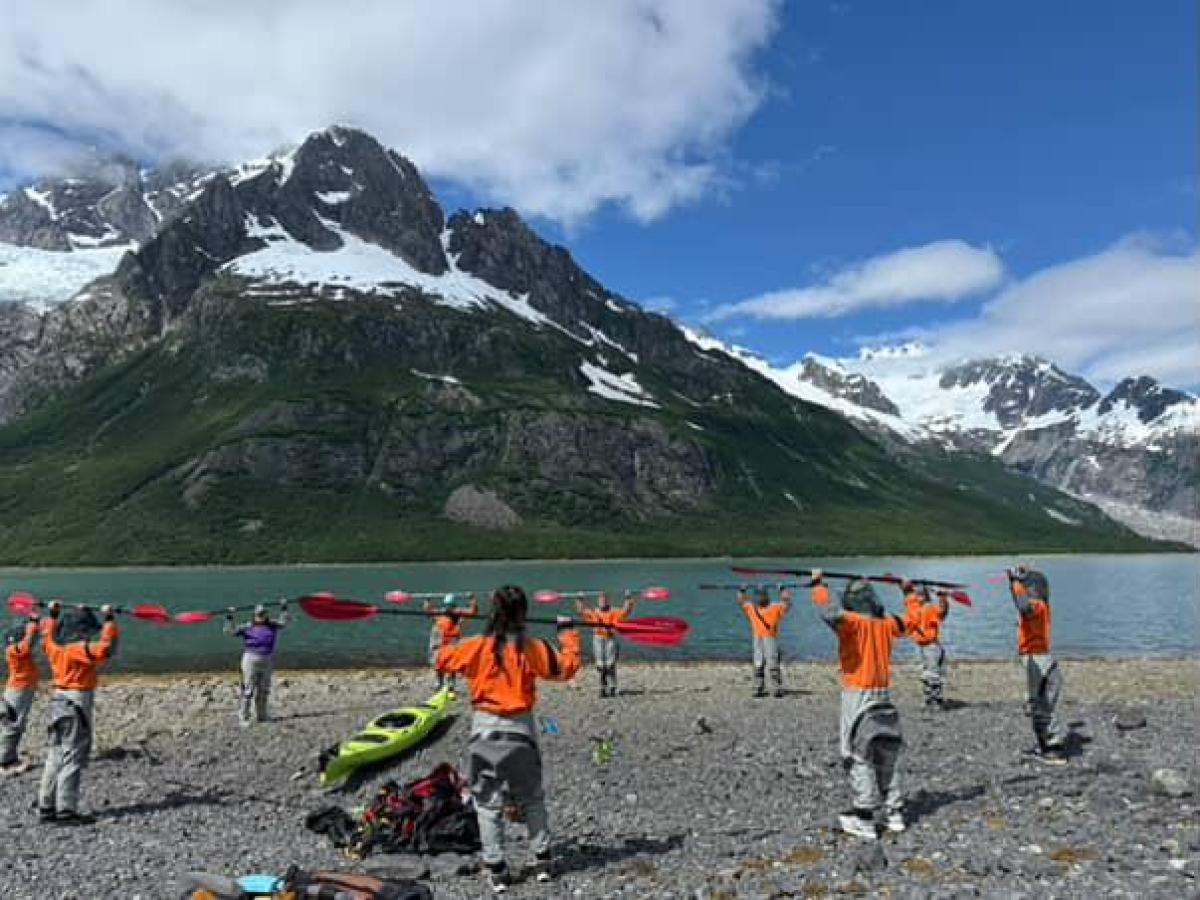
Before each trip we provide a short orientation on sea kayaking and safety, so everyone is comfortable before we hit the water!
THE WATER TAXI
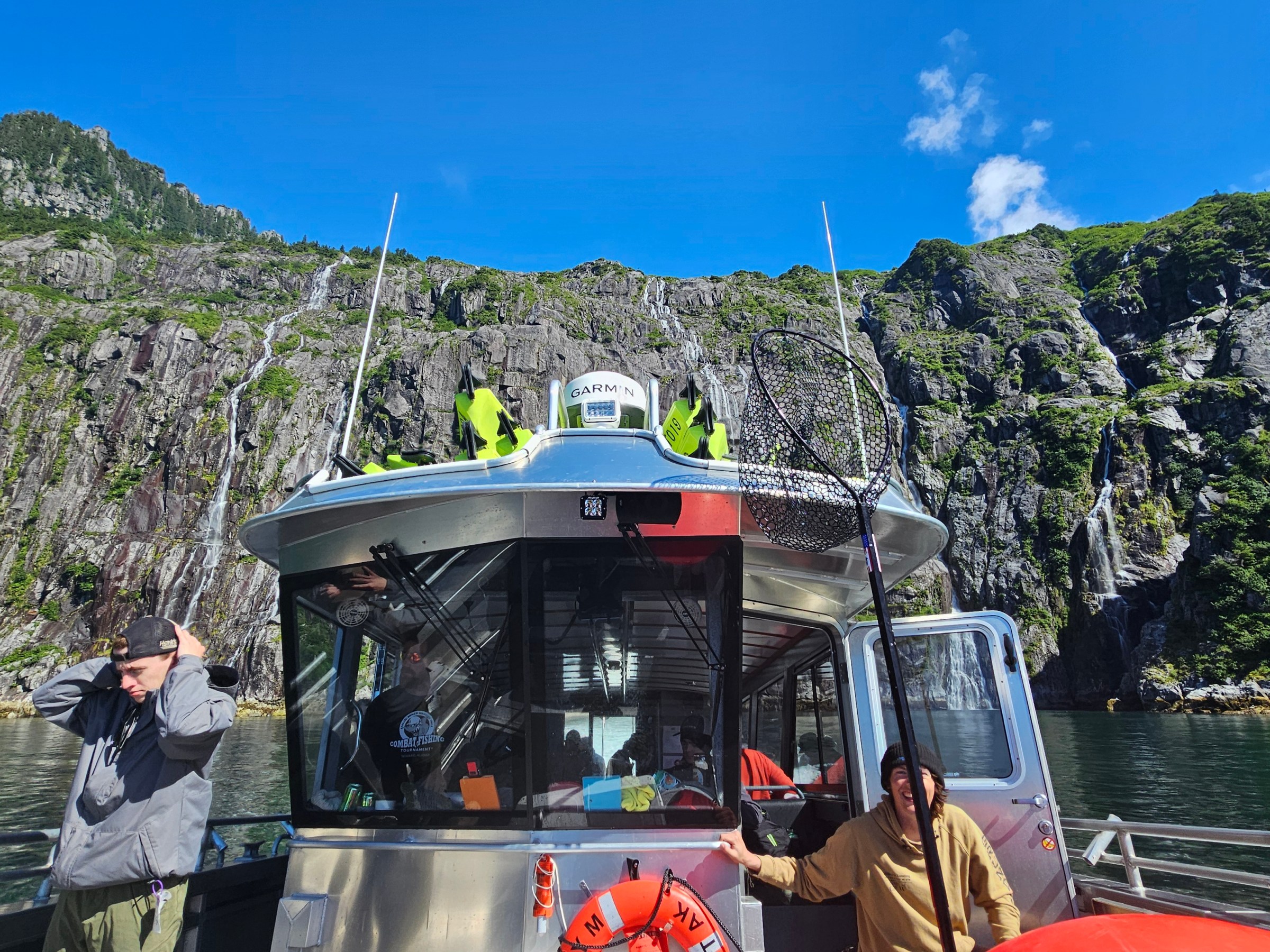
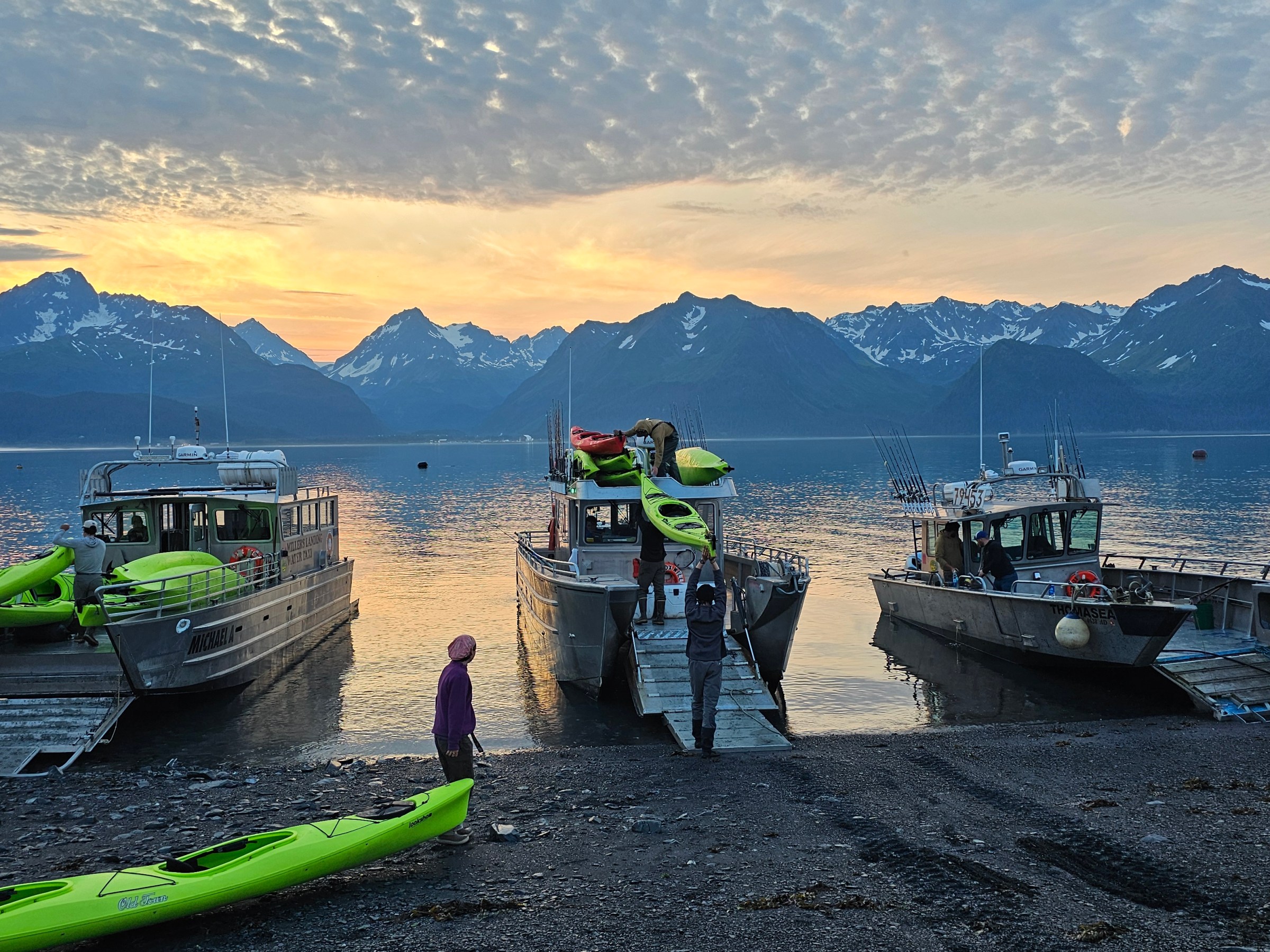
We utilize our own private 36-foot landing craft that can carry up to 24 passengers. With a 5-star safety rating and music, a heated cabin, windows for viewing the landscape or wildlife, and comfortable seating.
The water taxi ride generally takes 1.5 to 2 hours depending on weather, tides, and if we see any wildlife. While the water is usually calm, it can sometimes get bumpy if weather comes in. We do our best to make the ride comfortable, but we can’t control the weather!
KAYAK CAMP WITH US!
✓ Decades of local knowledge and a team that cares about your experience
✓ No kayak or camping experience needed!
✓ Family-owned and operated in Seward since 1982
✓ Fresh cooked meals each day, prepared in our own cafe
✓ Sit back, relax, and let us cover all the details. Just fill out a survey so we can plan the trip just for you
✓ Our gear is well cared for, safe, and well-maintained. We put a lot of time into picking our gear so it not only lasts but can carry our guests through any adventure safely and comfortably.
TIPS FOR A GREAT TRIP
We provide a detailed packing list, but in general, be sure to pack comfortable shoes that could get wet, extra socks, and plenty of good layers.
We provide you with two 15-25 oz dry bags for your clothes and on top of the kayak for items like hats, cameras or phones. For longer trips, we can provide you with more dry bags.
Bringing a Camera? We use sit-in kayaks for this trip, you can have your camera around your neck or in a dry bag. If you are bringing expensive camera gear, consider your own new drybag or a small dry box.
WHAT WE PROVIDE
Premium Fishing Gear: Enjoy world-class fishing for all species using our premium fishing gear Thrasher and Seeker rods, Avet and Shimano reels, and hand-tied gear using top-end components! Read more about our equipment here!
Two Fully Loaded Landing Crafts for Full-Day Charters: With our landing crafts you can load directly off the beach in front of Miller’s Landing. Both boats include a captain and deckhand, a marine toilet, full bottom fishing and salmon fishing gear, heated indoor seating, and all safety equipment.
Upgrade Your Trip with a Meal Package: Prepared in our own cafe fresh each morning before the charter. Find our different options when you go to book. From just breakfast and snacks to breakfast, lunch and a beverage at the cafe when you return from your trip. Perfect for while you wait for them to clean your fish.
Fish More and Stress Less: We have two different upgrade packages available for our full-day trips. They include fishing licenses, fish transportation to the processor, rain gear and meal packages.
DIFFICULTY
This kayak trip takes place on calm waters in a protected bay. Be ready to kayak anywhere from 8 to 15 miles a day, with some additional beachcombing or hiking as well.
Our trips are customized, so if you need more or less time on the water, let us know! You will fill out a quick survey after you book the trip which lets us know all about you and your group so we can provide the best experience.
WHAT WE PROVIDE
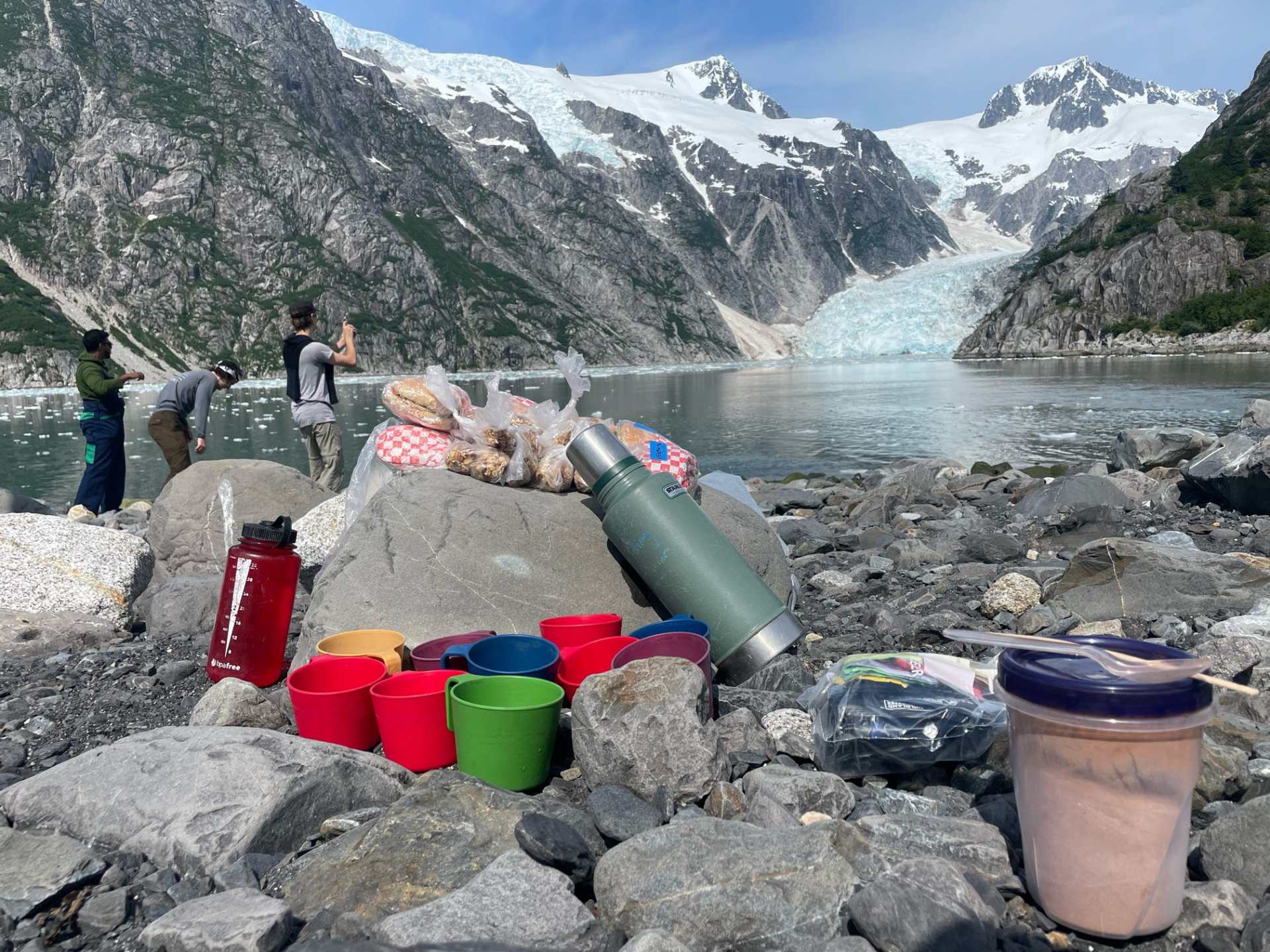
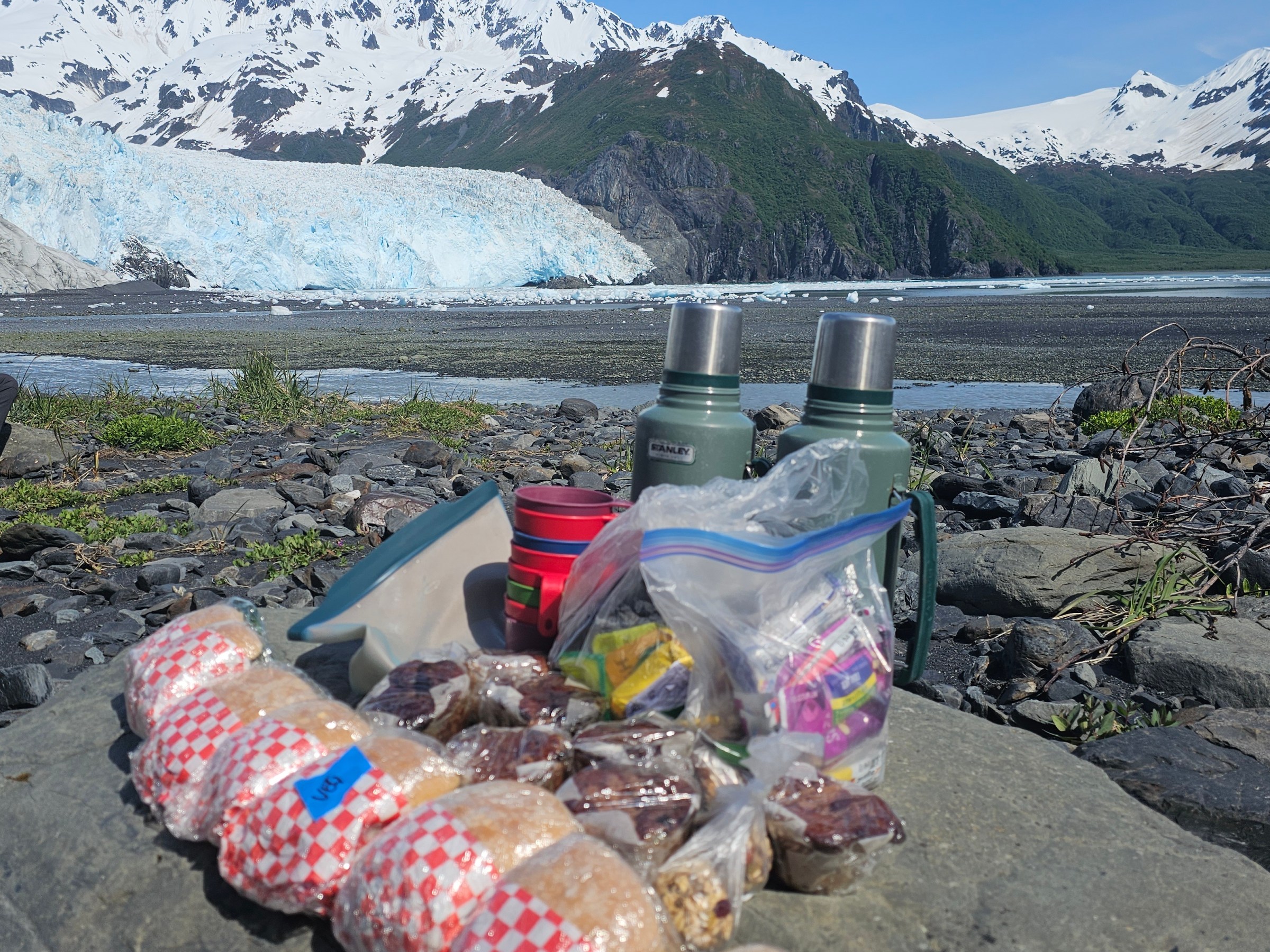
We provide all the food including breakfast, lunch and snacks throughout the day. All carefully prepared in our own cafe. If you have any dietary restrictions or allergies, let us know in the survey we provide after you book. It lets us know all about your food and kayaking preferences.
We also Provide all the necessary kayaking gear like life jackets, spray shirts, paddles, the boats, dry bags, safety equipment and first aid.
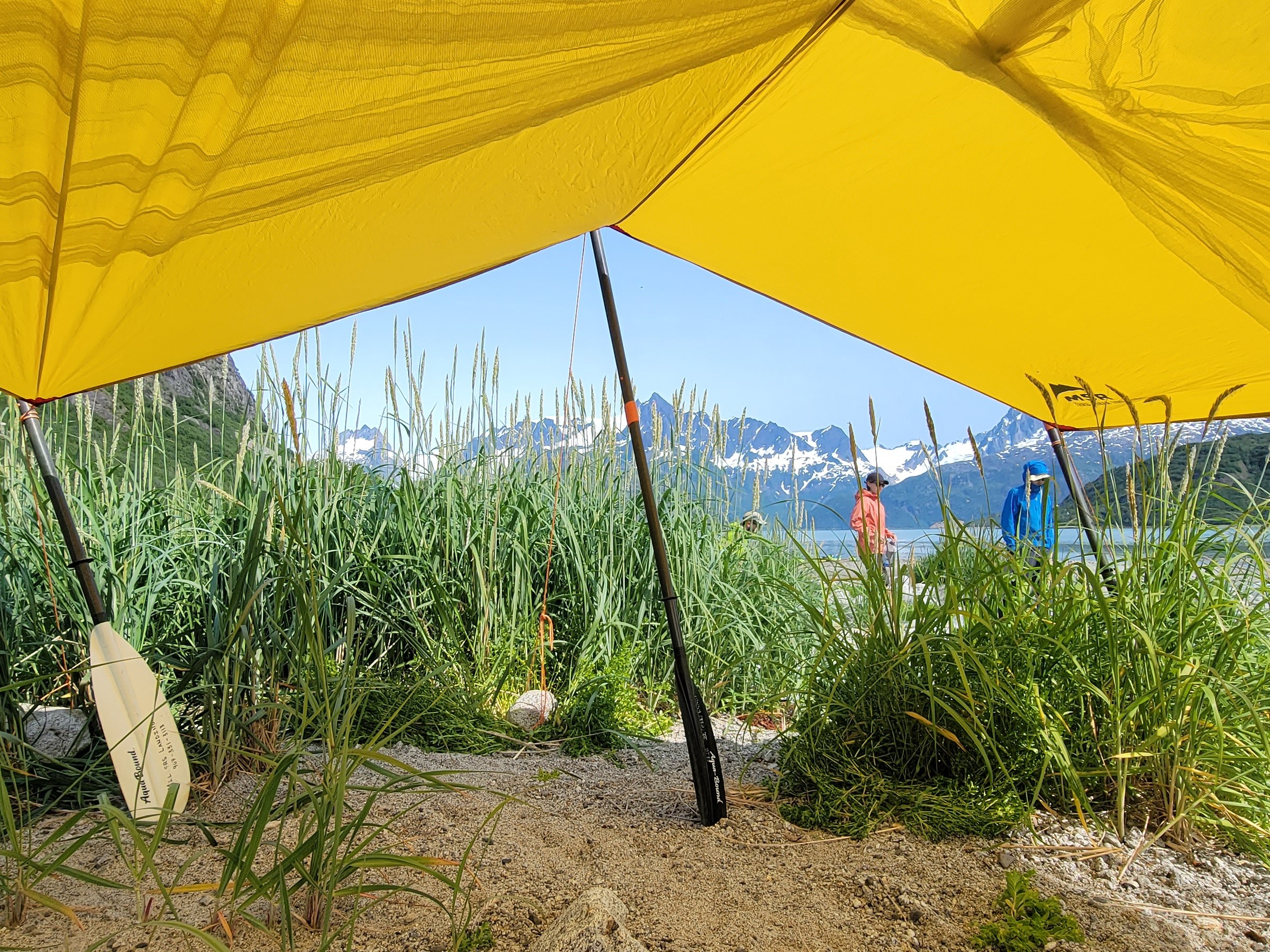
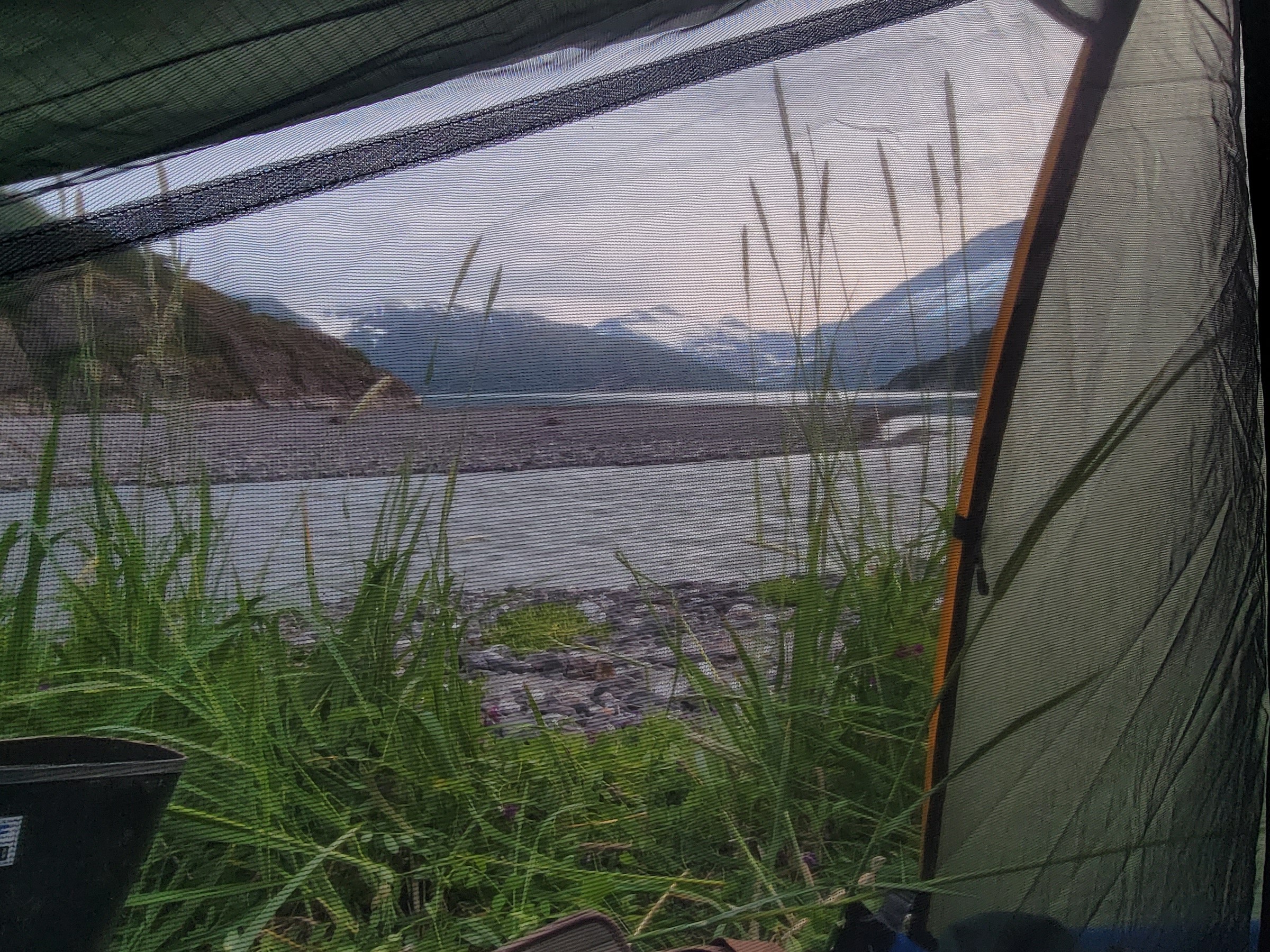
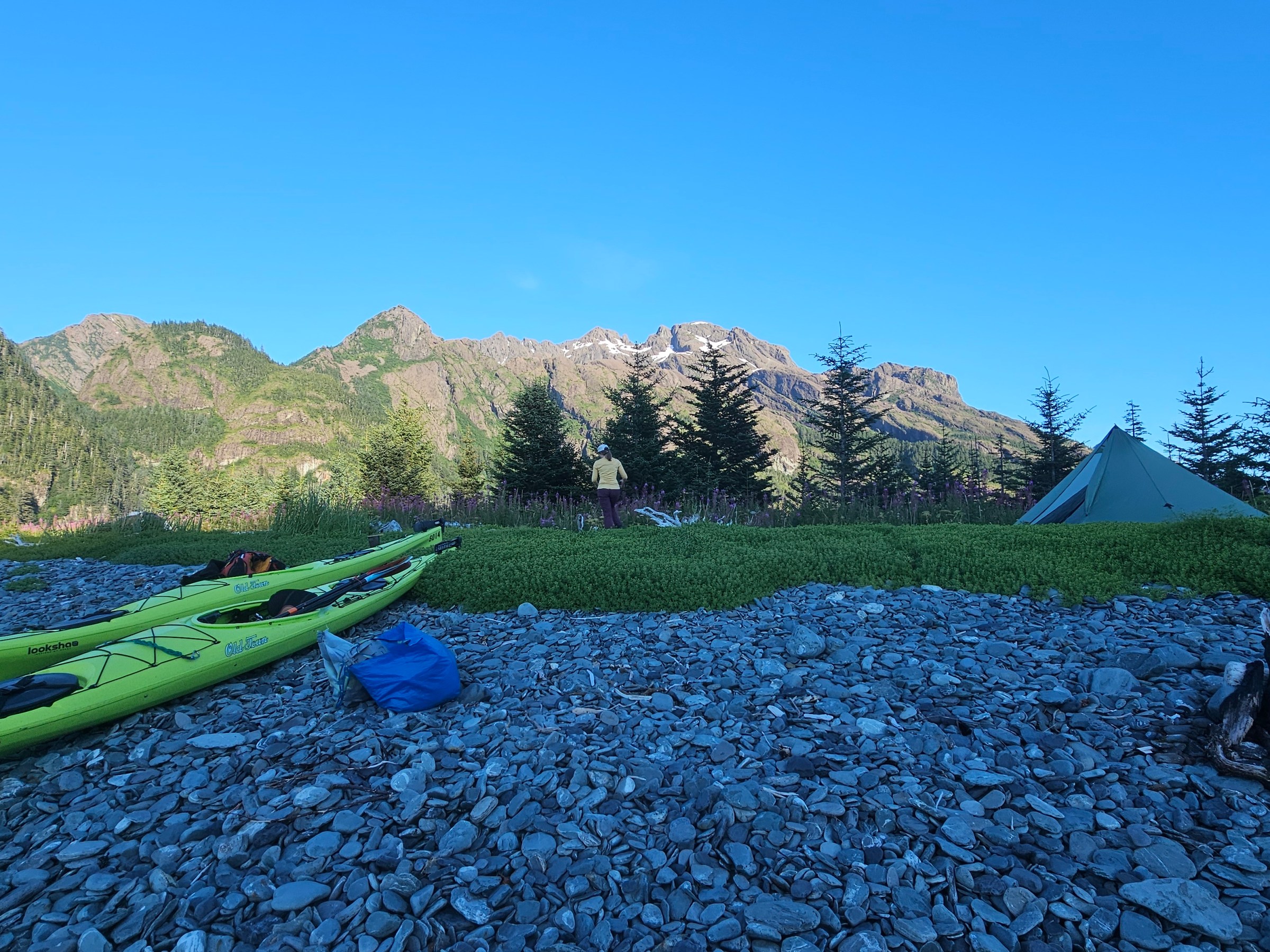
We provide the camping gear like tents, sleeping bags, inflatable sleeping pads, bag liners, cookware, and more. If you want to bring any personal gear, let your guide know!


More Information
-
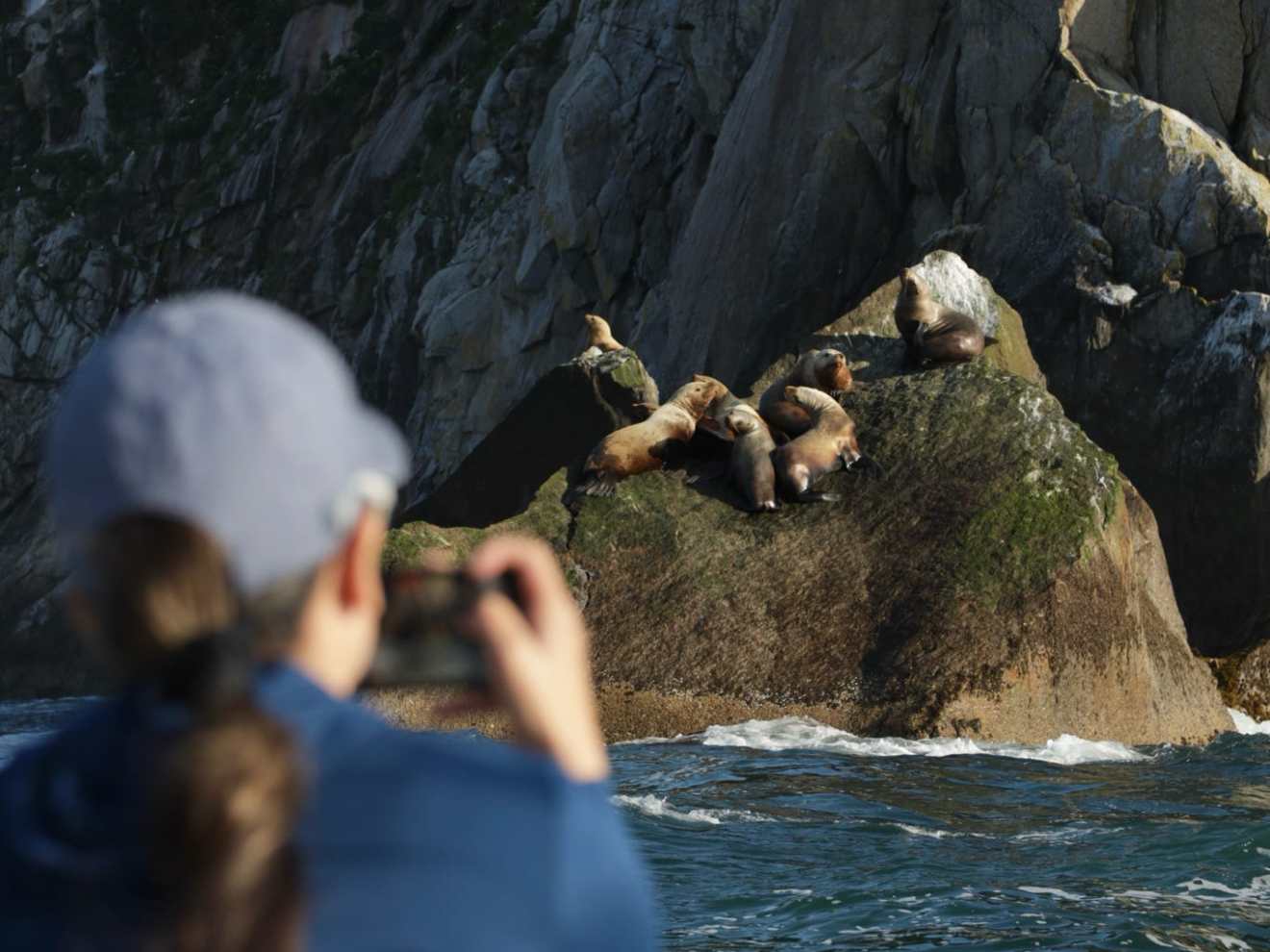
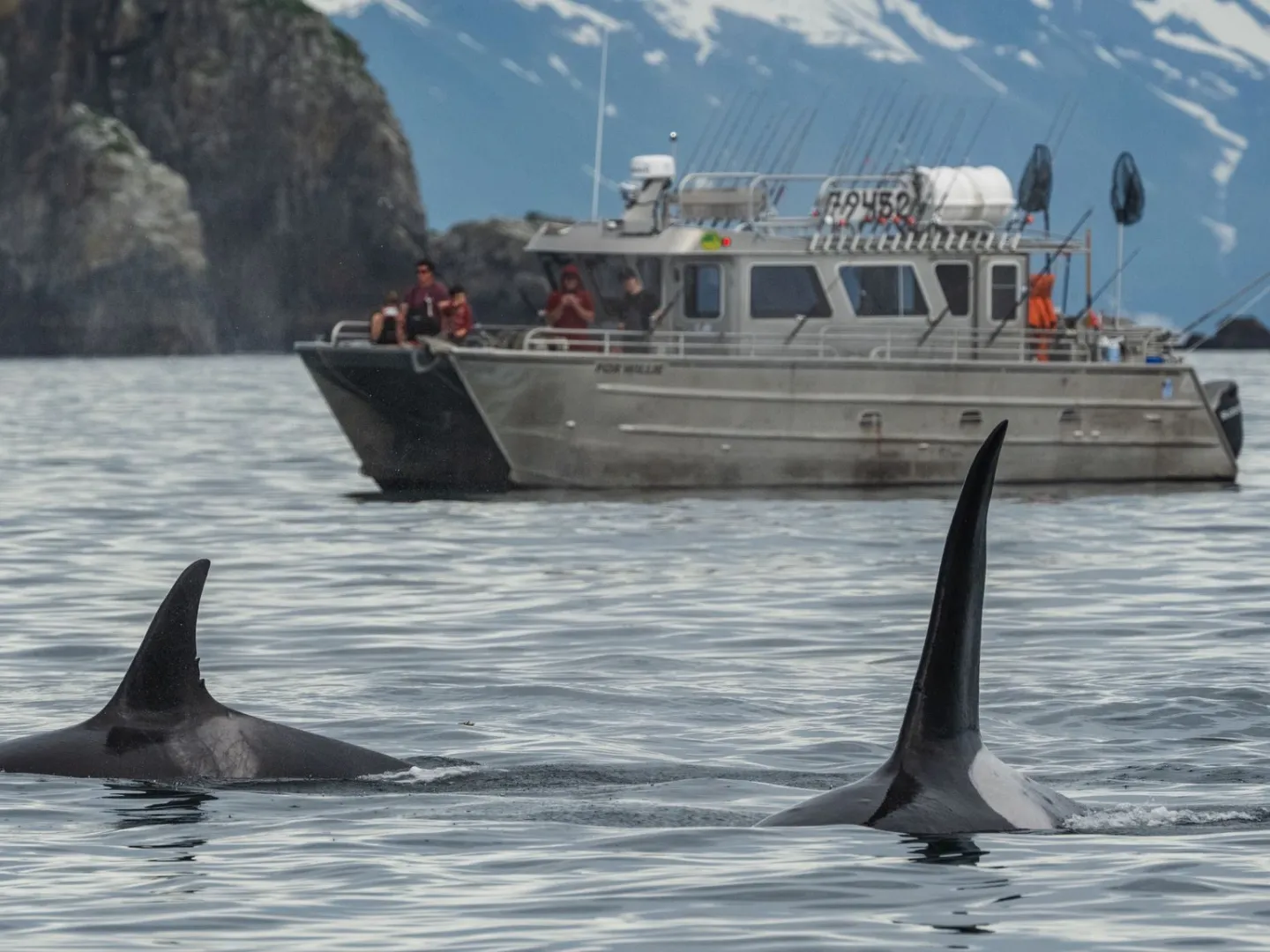
- We depart Miller’s Landing at 6 am, fully loaded with kayaks and bait! Keep a lookout for whales, porpoises, sea lions, and more as we ride.
- The Thomas Sea or the Fox Willie ventures two hours to Aialik Bay or Northwestern Fjord arriving around 8 – 8:30 am, where the Captain and kayak guide determine the best kayaking destination, dropping you at a beach within a short paddle of Holgate, Aialik, or Northwestern. Here, we can kayak with ice floes and watch actively calving tidewater glaciers. Kayaking not your thing? Stay aboard and take pictures of the rest of your group and view the action from the deck of our custom-built landing craft!
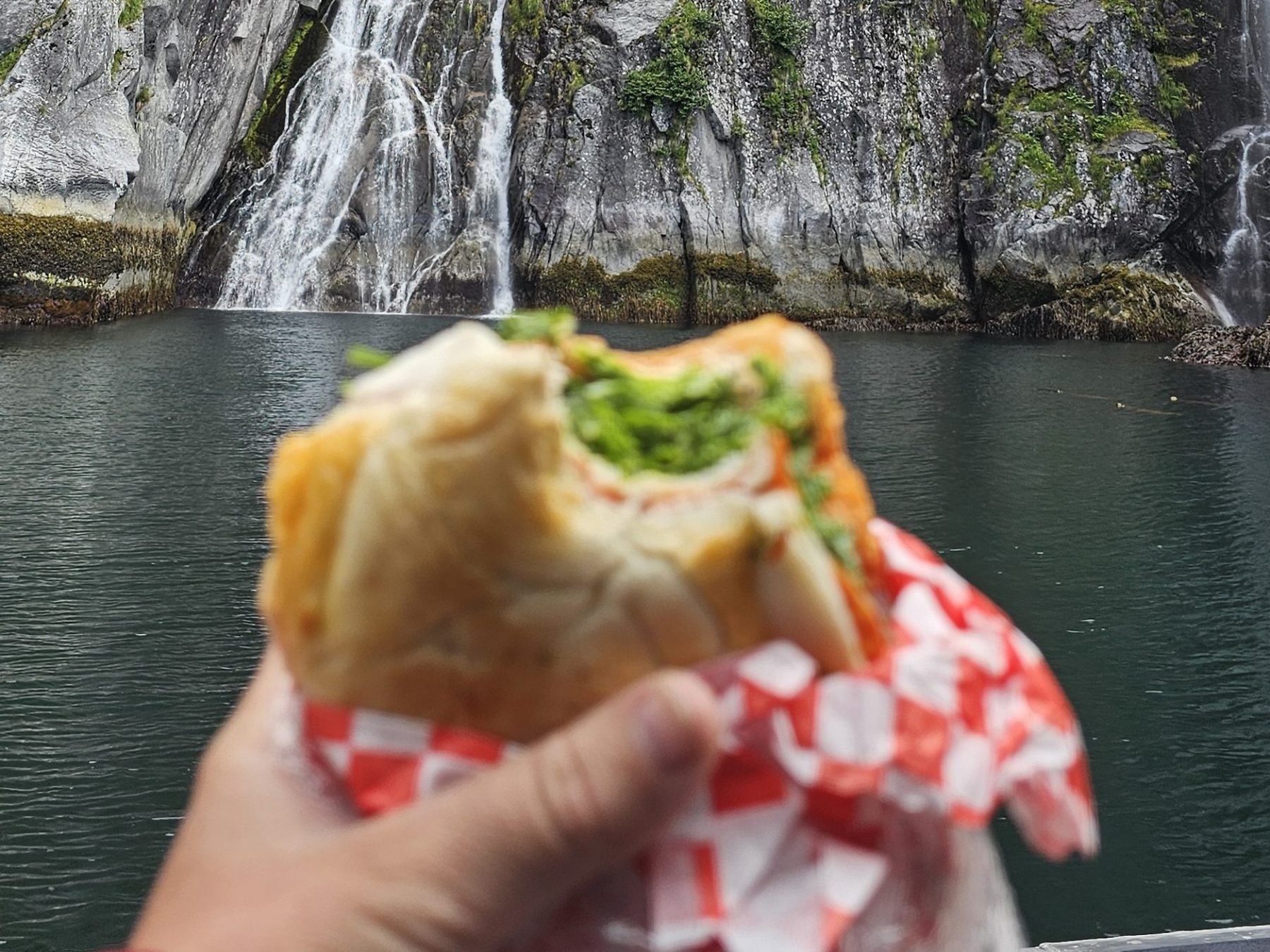
- By 12 noon we’re back on the boat after working up appetites. Lunch is offered to the group while the captain manages to navigate through the often ice-filled fjords toward the fishing grounds.
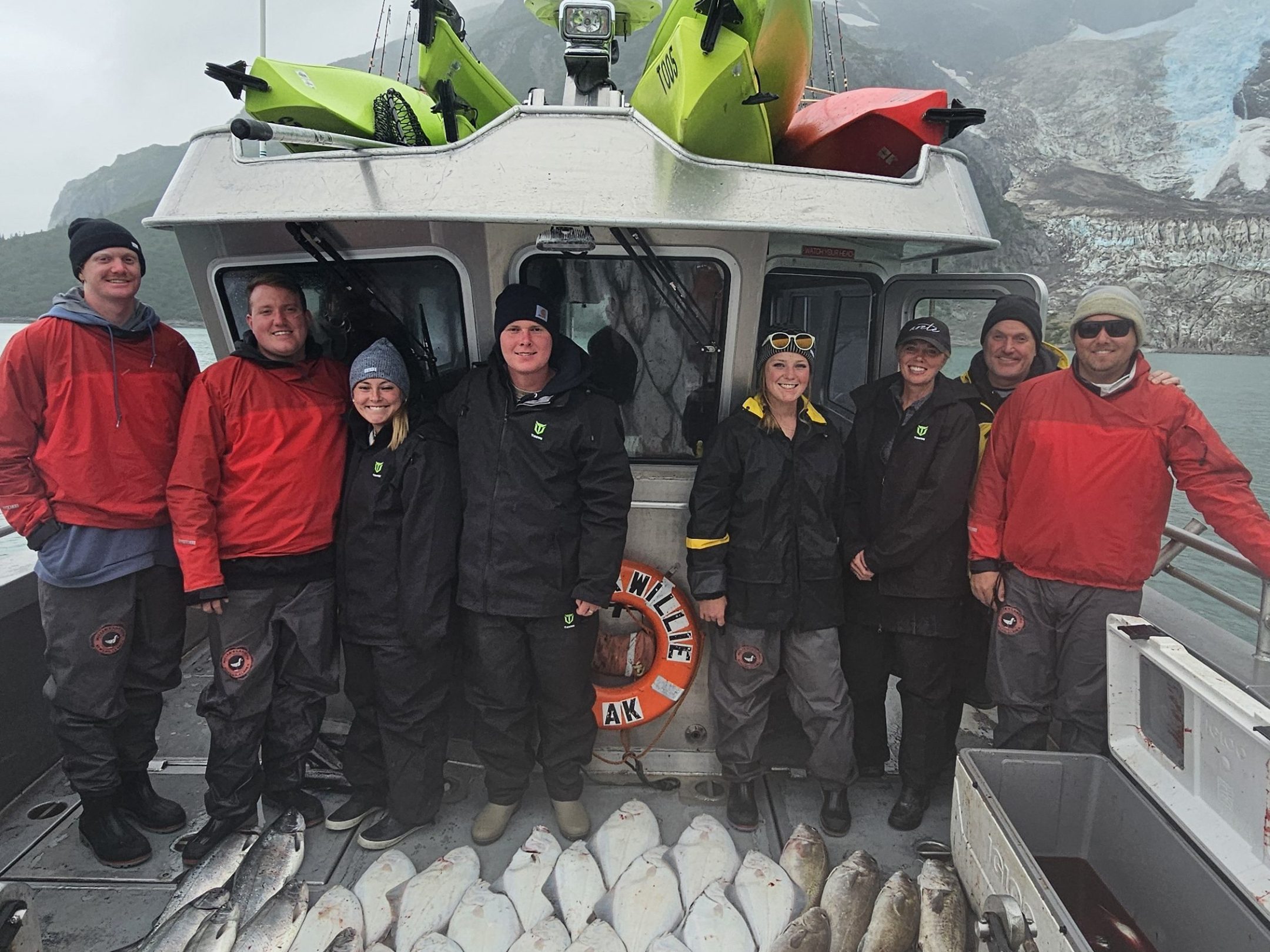
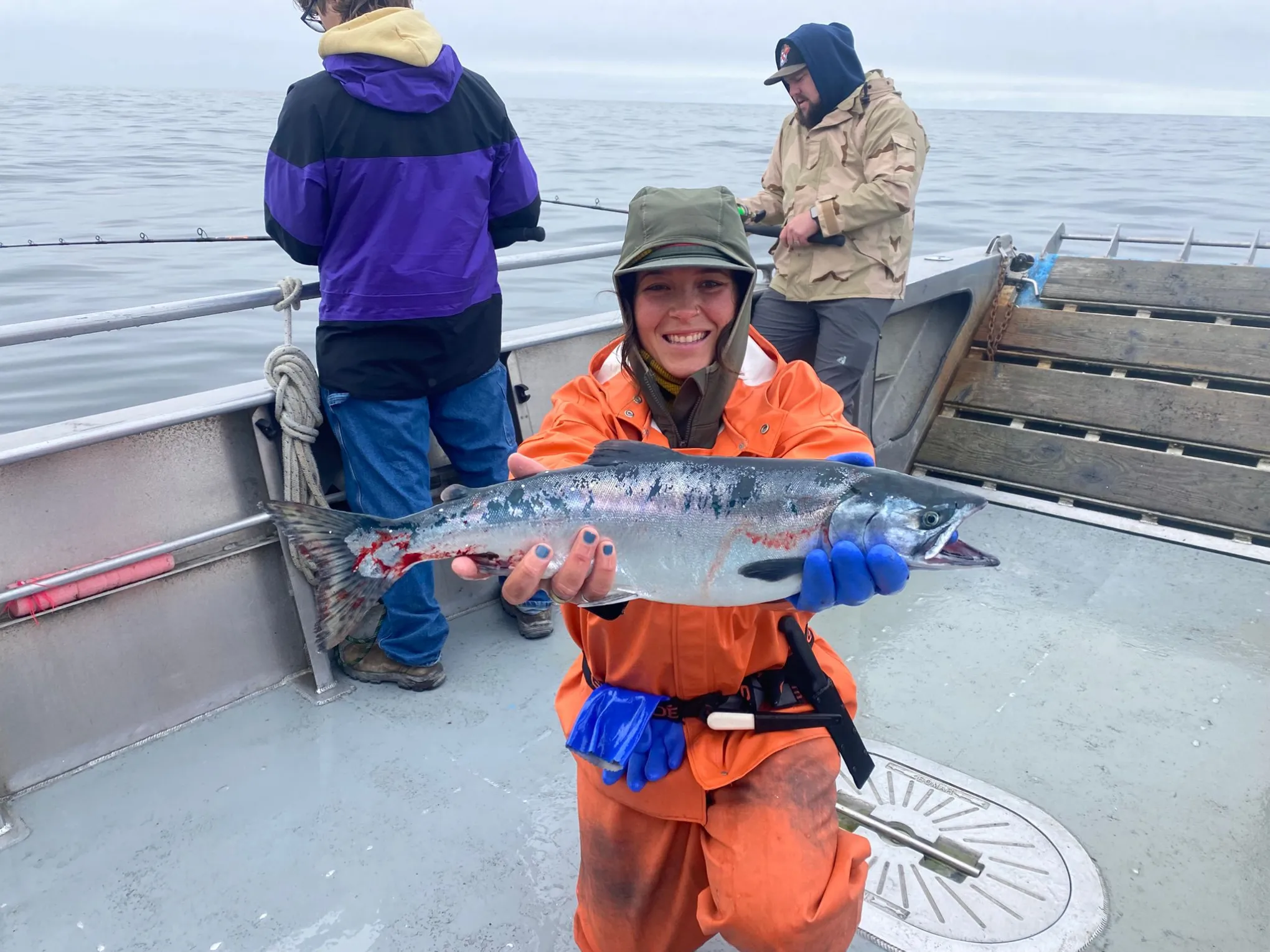
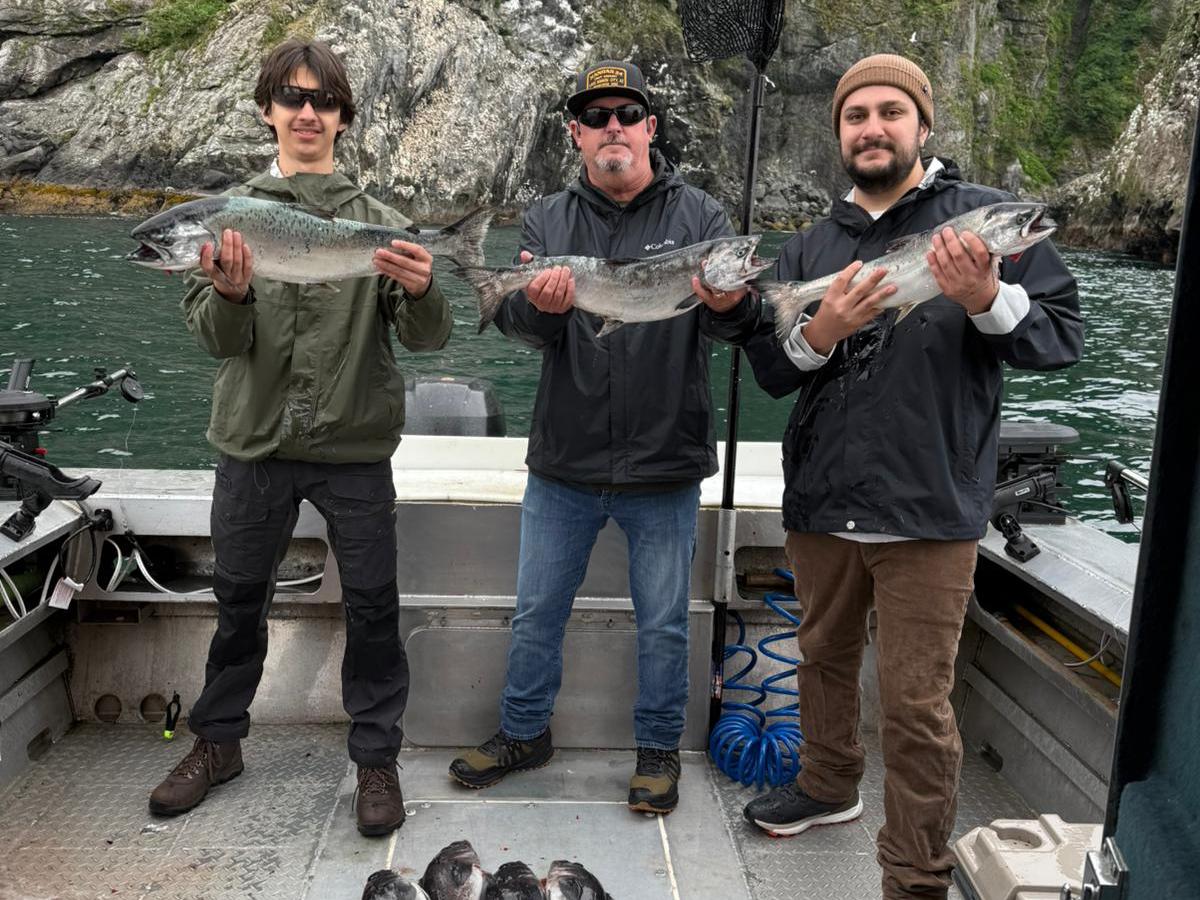
- Fish until 2 or 3 pm Catch fresh, wild Alaskan fish, like Silver Salmon / Coho (in season late June – early September, limit six per person in the bay, three outside the bay), Black Rockfish, Yelloweye, and sometimes Ling Cod (after July 1, limit one per person and over 35″). Rockfish limits are four per person, (only one of which can be a nonpelagic such as a Yelloweye). Around 4 pm, the captain calls for lines up, and the vessel returns back to the Landing to hang your catch for photos and fillet them!
- Head back to Resurrection Bay and arrive at Fox Island around 3:30 pm depending on the weather and fishing.
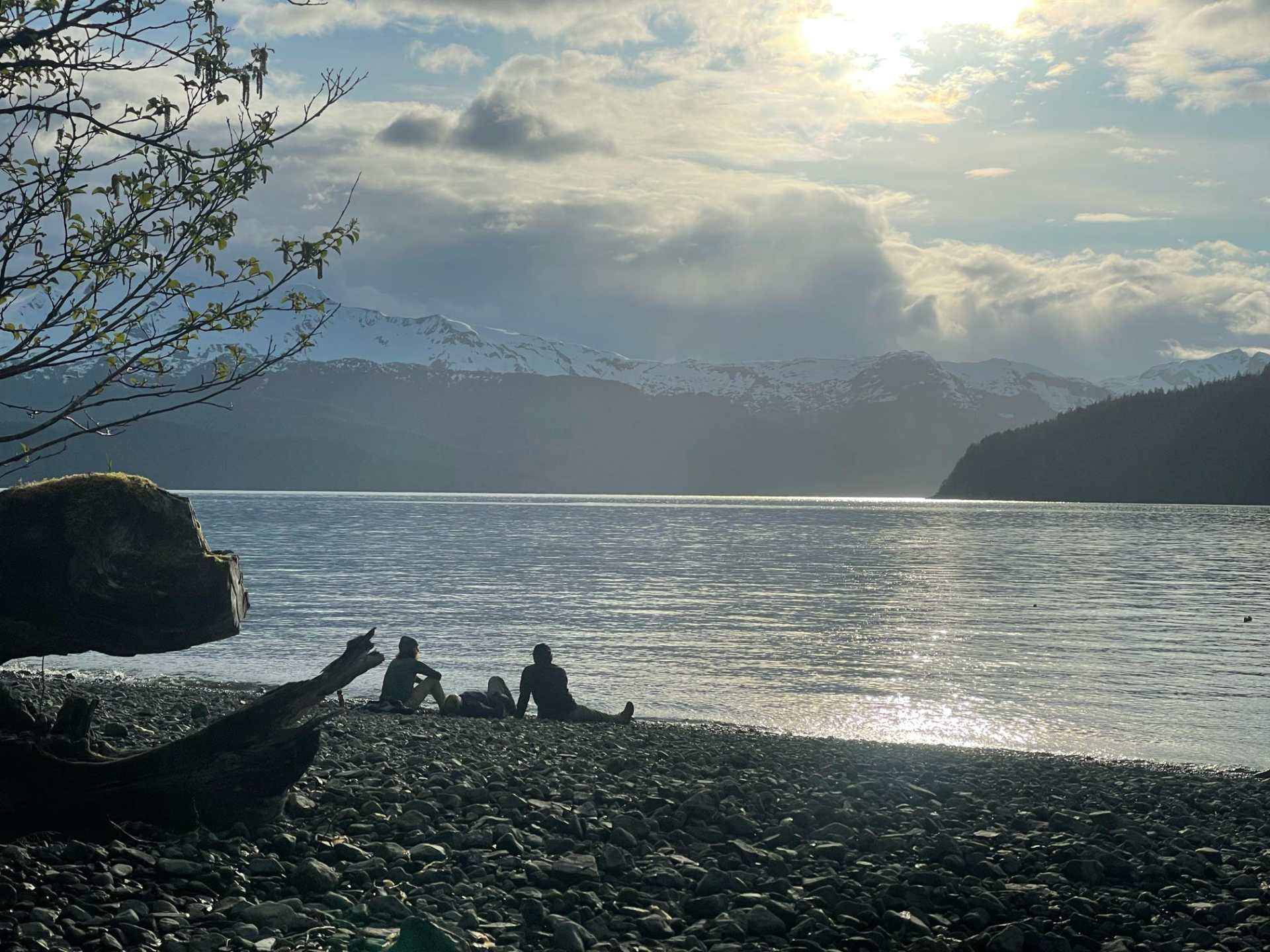
- After you are dropped at the camping location, set up camp, get comfortable and relax while your guides cook up your fresh fish and other bites. The captain and deckhand will head back to Miller’s Landing to process and store the rest of your fish.
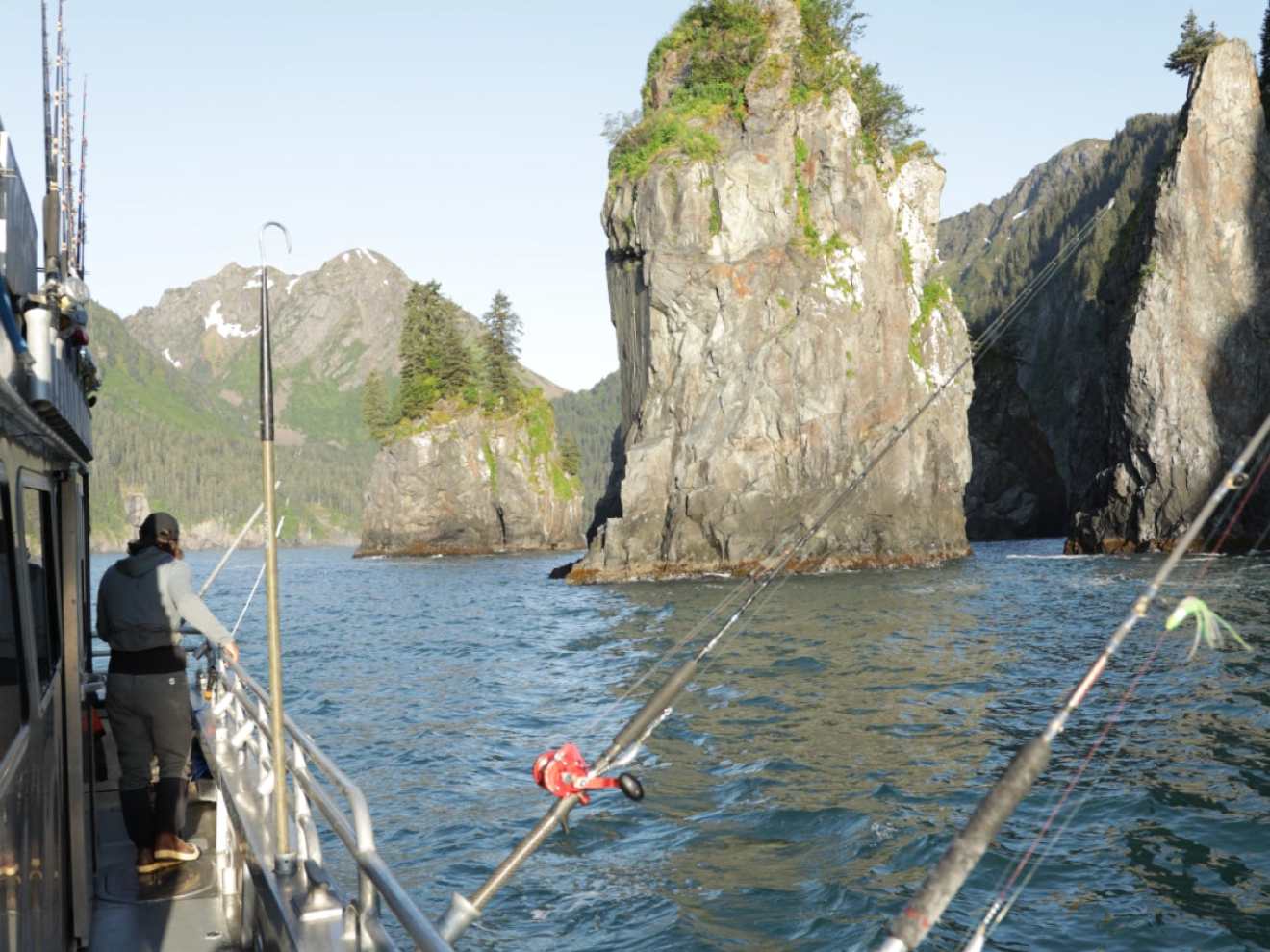
- After a good night’s sleep, enjoy your morning and then paddle from the spit where you camped to Humpy cove. Along the way, you will cross Eldorado Narrows, and see waterfalls, basalt cliffs, and other unique sites on the Eastern side of Resurrection bay.
- Get picked up after lunch by the water taxi and head back to Miller’s Landing with your guides. Get back around 4 pm and pick up your fish caught the day before (we can store them for longer if needed).
Please be sure to inform us if you have medical or ethical dietary restrictions. We plan meals for the “average eater.” Feel free to bring your own snacks! We really try to accommodate everyone’s diet, but please understand we don’t have enough room to pack a buffet in a kayak. If you would like to buy your own groceries, a $20 refund will be subtracted from your trip cost. This trip is best for ages 12 and over!
-
- A $10 cancellation fee is imposed for all reservations canceled.
- Cancellations must be received by email only to [email protected]. The cancellation notice date is the date the email was received at [email protected]. Phone cancellations will not be accepted.
- Cancellations received by email 30 days prior to the first day of the reservation are charged a $10 cancellation fee and you will receive a refund of 90% of the total amount of the reservation.
- Cancellations received by email 15 to 29 days prior to the first day of the reservation are charged a $10 cancellation charge and you will receive a 75% refund of the total amount of the reservation.
- Cancellations received by email 14 days to zero days prior to arrival are charged a $10 cancellation fee and you will receive a 50% refund only if we are able to rebook your camping, cabin, fishing, kayaking, water taxi, shuttle, lunch, or activity. If we are not able to rebook your reservation, then no refunds will be issued and you will also be charged a $10 cancellation fee to your credit card.
- In some situations, a raincheck worth 75% of your reservation may be issued at the discretion of Miller’s Landing management instead of the applicable cancellation charge. If this option appeals to you, please suggest this at the time of cancellation. Rainchecks are good for one year and may be used for activities, camping, or lodging owned by Miller’s Landing or towards the cost of hats, T-shirts, gifts, etc. sold in the Miller’s Landing store or items sold online. For items purchased online, the customer is expected to pay for the cost of postage. Rainchecks may NOT be transferred to another person.
- A 100% refund will be issued for any activity that was canceled due to weather by Miller’s Landing. Miller’s Landing reserves the right to determine weather cancellations. Rain does not constitute a cancellation.
Please note: Miller’s Landing encourages only guaranteed prepaid reservations. Unlike many other states, Alaska has a very short tourist season, which can make it difficult for us to rebook when we have cancellations without ample notice.
If you are booking a charter and lodging and your charter, water taxi, or kayaking is canceled due to weather, you are still responsible for the lodging or camping reservations and the normal cancellation policy applies. All of our activities are possible during rain, so rain does not constitute a cancellation. Miller’s Landing is not responsible for vehicle break downs, personal emergencies, flight delays, health issues or other unforeseen hardships. We will try very hard to work with you, but the cancellation policy will need to be applied if we cannot issue a raincheck or find an alternative solution that appeals to both parties.
Please understand that Miller’s Landing also incurs a hefty financial merchant fee from our bank for the cost of charging your credit card and again for the cost of refunding it, and there is also a cost involved for the time involved in processing and refunding your reservation in employee costs. Our goal when taking your reservation is to have a solid, guaranteed prepaid reservation. We strongly discourage the practice of making reservations without having an airline ticket or making tentative reservations. Thank you for your understanding.
-
Our food is prepared in our cafe the day before the trip. We do our best to accommodate all allergies and food preferences. As well as build a delicious filling meal to keep you paddling all day.
Our kitchen is clean, certified, and modern. Please let us know about any medical or dietary restrictions before the trip!
-
If you have any questions, would like to make a special request for your trip, or have questions about hosting a private or large party please contact [email protected].
- Fishing licenses are not provided but can be purchased online prior to departure or even days before the trip. Buy your fishing and hunting license online at https://www.millerslandingak.com/wp-content/uploads/sites/3698/2018/05/badge-alaska-fish-game.png?auto=compress%2Cformat& these can be printed out ahead of time, but must be on your person whenever you fish!

*2020 Fishing Regulations Online – Full Sport Fishing Regulations for State of Alaska
*2020 Fishing Regulations Online – Sport Fishing Regulations for Seward Area (North Gulf Coast)
- Fishing licenses are not provided but can be purchased online prior to departure or even days before the trip. Buy your fishing and hunting license online at https://www.millerslandingak.com/wp-content/uploads/sites/3698/2018/05/badge-alaska-fish-game.png?auto=compress%2Cformat& these can be printed out ahead of time, but must be on your person whenever you fish!
-
Fishing licenses are not provided but can be purchased online prior to departure or even days before the trip. Buy your fishing and hunting license online at https://www.millerslandingak.com/wp-content/uploads/sites/3698/2018/05/badge-alaska-fish-game.png?auto=compress%2Cformat& these can be printed out ahead of time, but must be on your person whenever you fish!
*2020 Fishing Regulations Online – Full Sport Fishing Regulations for State of Alaska
*2020 Fishing Regulations Online – Sport Fishing Regulations for Seward Area (North Gulf Coast) -
Fishing regulations change each year. For the most up-to-date information, please see the ADF&G website, at www.adfg.alaska.gov and the Southcentral Region, specifically linked HERE.
What To Catch
Yellow Eye (Non-Pelagic Rockfish)
Red SnapperYellow Eye Rockfish are one of the tastiest and more popular of the 32 different species of non-pelagic rockfish we catch, and also one of the oldest. Also called red snapper, they live to be incredibly old – they grow about an inch per year, don’t start breeding until they’re 7, and the eggs have less than a 1% survival rate. They live where they are born, and as such are limited in most areas to 1 per person per day starting July 1st. They are incredibly good-eating, gorgeous fish which initially hit like a truck. They can get up to 32 lbs, and we’ve had them swallow the whole salmon on halibut gear. They are generally caught while fishing for halibut and ling cod.
Pelagic Rockfish
Black Bass - Dusky - Widow - Yellowtail - BlueBlack Bass are both exciting and fun to catch. They are the most prolific of the pelagic Rockfish species and are found near shallow rocky areas. Fishermen are limited to a set number of pelagic and nonpelagic rockfish per day, and we make an effort to catch both to reach the limit. These fish average about 4 to 5 pounds but range up to 12 pounds. We often fish for them with light/medium-weight tackle. These fish are great fun for young and big kids alike as they hit fast and furious, are located all throughout the water column near rock structure, and can liven up a lull in the bite. They are excellent fried, baked, or blackened.
Pacific Cod
Alaska Cod - Gray Cod - True CodWhile Pacific Cod are not the target species around here, they are great eating and fun to catch. There is never a guarantee of when we catch them. Some days we are “covered up with cod” while halibut fishing and it’s as fast as you get to the bottom. These fish live up to 20 years and grow up to 6 ft in length. Pacific Cod migrate as far as 490 miles in a year from the Gulf of Alaska to the west coast of Norway. Cod is quite healthy like most fish and is great cooked in butter on a hot skillet.
Pacific Halibut
Pacific Halibut is the most desired and largest fish of Alaska’s sport fisheries. They are plentiful in our waters throughout the season and can be caught May-September. Sport-caught Halibut usually range from 20-50 lbs, although larger fish are not uncommon. People frequently ask about the size of the halibut we catch, but that question is impossible to answer from day to day. We commonly catch fish over 100 lbs, but we commonly catch average-sized Halibut as well. It’s up to you to listen to your guide, attend your line, and do your best to maximize your catch! We’ve caught 156lb Halibut on Salmon rods while fishing for Rockfish, with a tiny little hook and skimpy piece of herring. We’ve also caught 300lb Halibut on whole Salmon carcases threaded with circle hooks at 400′. Nobody can forecast a day of fishing, but we work as hard as we can to make it a success.
Pink Salmon
Humpy - Haddo - GorbuschThese salmon do not reside in fresh water for any extended period, unlike coho, chinook and sockeye salmon. Their average length is 20 to 25 inches and their average weight is 3.5 to 5 pounds. We do not target pink salmon, but we do catch them while fishing for rockfish or silver salmon. They often get released when we are targeting silvers, it is most folks’ preference to keep silvers instead of pink salmon. They are great eating if cooked shortly after catching vs. freezing and eating later on. You can also catch pink salmon right in front of our main office, right on the beach, in the late summer.
Silver Salmon
CohoSilvers start their annual return to their freshwater streams in mid-July and August. They average 8-20 lbs and are a lot of fun to catch. They put up a good fight and it’s exciting to watch the fish rip around the boat and leap into the air during the fight! People of all ages are capable of catching Silvers, and kids do very well with these fish. Seward has one of the better Silver Salmon sport fisheries on the Kenai Peninsula, and charter operators actually come from other towns to fish here. Silvers are remarkably tasty, and we take extra care with our salmon, keeping them in coolers with ice and saltwater so they stay firm and fresh no matter what time of day they were caught. Miller’s Landing has its own ice maker, and we outfit the charters daily with a stock of ice for the catch. When the bite is on, it’s a complete frenzy. Everyone on the boat can fish at the same time!
Lingcod
Buffalo Cod - Cultus CodLing season opens July 1st, and they aren’t actually Cod at all! Lings are members of the Greenling family, and in some cases their flesh is naturally tinted green or blue, turning white when cooked. They eat a great deal of chlorophyll, lending the fish its unusual tint. These fish can grow to over 80 lbs. They look like prehistoric sea monsters and are apex predators, often shunning bait and going instead for an actively worked jig. Lings can be caught at almost any depth, but we catch most of them at 30-275 feet. Many people prefer the moist, succulent, white meat of Ling Cod to Halibut. Lings are often caught pre-season but must be released prior to July 1st.